Remember ME - You Me and Dementia

Showing posts with label Medicines Medication. Show all posts

April 22, 2012

CHINA: Medication recall order


SHANGHAI, China / The Shanghai Daily / Live in Shanghai/April 22, 2012


The Ministry of Health yesterday ordered all medical institutions to recall 13 types of medication reported to be contained in contaminated capsules.

It also required the medical institutions to stop using the medicines listed by the State Food and Drug Administration (SFDA) as being possibly polluted, according to a notice issued by the ministry yesterday.

The capsules were exposed by media to be made of industrial gelatin. This contains a greater amount of chromium than edible gelatin and can be toxic if ingested in excessive amounts.

The SFDA said yesterday more inspection teams have been sent to investigate the incident and find out those responsible.

Inspection teams from several departments, including the police, health authorities and supervision agencies, have been sent to Zhejiang, Hebei and Jiangxi provinces to supervise the investigation.

Those who refuse to cooperate in the investigation and try to cover up malpractice will be severely punished, it said.
Source: Xinhua

____________________________________________________________
Credit: Reports and photographs are property of owners of intellectual rights. 
Seniors World Chronicle, a not-for-profit, serves to chronicle and widen their reach.

April 19, 2012

USA: Too Many Pills for Aging Patients

NEW YORK, NY / The New York Times / Personal Health / April 19, 2012


By Jane E. Brody

Yvetta Fedorova
My 92-year-old aunt was a walking pharmacy, and a month ago it nearly killed her. The episode also cost the American medical system several hundred thousand dollars.
Overmedication of the elderly is an all too common problem, a public health crisis that compromises the well-being of growing numbers of older adults. Many take fistfuls of prescription and over-the-counter medications on a regular basis, risking serious and sometimes fatal side effects and drug interactions.
A series of research-based guidelines, recently updated and published in The Journal of the American Geriatrics Society, calls attention to specific medications most likely to have calamitous effects in the elderly. If adopted by practicing physicians and their patients, the guidelines should help to avert the kind of costly, debilitating disaster that befell my aunt.
A Crisis Among the Elderly
In early March, my aunt was hospitalized for an episode of extreme weakness, sleepiness and confusion. She was found to be taking a number of medications and supplements: Synthroid, for low thyroid hormone; Tenormin and Benicar, for high blood pressure; Lexapro, for depression; Namenda, for symptoms of Alzheimer’s disease; Xanax, for nighttime anxiety attacks; Travatan eye drops, for glaucoma; a multivitamin; vitamin C; calcium with vitamin D; low-dose aspirin; a lutein supplement; and Colace, a stool softener.
Diagnosis at the hospital: low sodium, prompting a stoppage of Lexapro, known to cause such a side effect, and substitution of the antidepressant Viibryd. Noting her confusion, the hospital neurologist also added Aricept, another treatment for Alzheimer’s disease, although she is only suspected of having this condition.
Her cardiologist doubled the dose of Tenormin, stopped the Benicar and added another blood pressure medication, Apresoline. This caused a precipitous drop in blood pressure to 70/40 (120/80 is normal), leaving her completely disoriented and unable to stand or sit up.
After 10 days in the hospital, as she was being discharged, my aunt collapsed and started turning blue. CPR was administered (which fractured three ribs), followed by resuscitation in the emergency room and then transfer to intensive care, where she suffered three seizures. She was put on Dilantin to control them.
She developed double pneumonia, and the end seemed near. A do-not-resuscitate order was issued. One night, when she was too agitated to fall sleep, she was given a dose of Ativan, a sedative, that left her unable to wake up for 30 hours.
Miraculously, she responded to antibiotics and administration of oxygen, and she has since been discharged to a rehabilitation facility where she is steadily getting stronger, less confused and refreshingly feisty.
Older adults like my aunt are the largest consumers of medications. More than 40 percent of people over age 65 take five or more medications, and each year about one-third of them experience a serious adverse effect, like a bone-breaking fall, disorientation, inability to urinate, even heart failure.
With the support of the geriatrics society, an interdisciplinary panel of 11 experts in geriatric care and pharmacology has updated the so-called Beers Criteria, guidelines long used to minimize such drug-related disasters in the elderly. After reviewing more than 2,000 high-quality research studies of drugs prescribed for older adults, the team highlighted 53 potentially inappropriate medications or classes of medication and placed them in one of three categories: drugs to avoid in general in the elderly; drugs to avoid in older people with certain diseases and syndromes; and drugs to use with caution in the elderly if there are no acceptable alternatives.
For example, instead of a sedative hypnotic — like the Ativan given to my aunt — that can cause extreme sedation, serious confusion and mental decline in older adults, the panel notes that an alternative sleep remedy, perhaps an herbal or nondrug option, is safer. Many sedating antihistamines, in a class of drugs called anticholinergics, should be avoided in older adults because they can cause such side effects as confusion, drowsiness, blurred vision, difficulty urinating, dry mouth andconstipation, the panel concluded.
Mineral oil taken by mouth can, if accidentally inhaled, cause aspiration pneumonia, and many commonly used anti-inflammatory medications, including over-the-counter drugs like ibuprofen and naproxen, increase the risk of gastrointestinal bleeding in adults age 75 and older, as well as in those age 65 and older who also take medications like prednisone and warfarin.
In adults over age 80, the team warned, aspirin taken to prevent heart attacks “may do more harm than good,” and any antidepressant may lower sodium in the blood to dangerous levels, as happened to my aunt.
The team said its criteria should be used by physicians and patients within and outside of institutional settings. But the experts also emphasized that the guidelines should not override a doctor’s clinical judgment or a patient’s needs and values, nor be used as grounds for malpractice disputes.
The Patient’s Responsibility
The geriatric society’s Foundation for Health in Aging has produced a one-page “drug and supplement diary” that can help patients keep track of the drugs and dosages they take. They should show the list to every health care provider they see. The form can be found atwww.americangeriatrics.org/files/documents/beers/MyDrugDiary.pdf.
Too often, people with multiple health problems have one doctor who does not know what another has prescribed. A new prescription can lead to a toxic drug interaction, or simply be ineffective, because it is counteracted by something else being taken.
There is nothing to be gained, and potentially much to lose, by failing to disclose to health care professionals the use of prescribed, over-the-counter or recreational drugs, including alcohol. Nor should any chronic medical condition or prior adverse drug reaction be kept from your doctor.
Whenever a medication is prescribed, patients should ask about side effects to watch for. If a bad or unexpected reaction occurs or the drug does not seem to be working, the prescribing doctor should be told without delay. But patients should never stop taking a prescribed medication without first consulting a health care professional.
Nor should they add any drug or supplement to a prescribed regimen without first consulting a doctor. Even something as seemingly innocent as ibuprofen, acetaminophen, St. John’s wort or an antihistamine purchased over the counter can sometimes lead to dangerous adverse reactions when combined with certain prescribed medications or pre-existing health problems.
But just because a drug is on one of the lists in the Beers Criteria does not mean every older person would be adversely affected by it. The drug may be essential for some patients, and there may be no safer alternative. When all is said and done, a doctor must weigh the benefits and risks.
First published: April 16, 2012. Updated: April 19, 2012
Copyright 2012 The New York Times Company
____________________________________________________________
Credit: Reports and photographs are property of owners of intellectual rights. 
Seniors World Chronicle, a not-for-profit, serves to chronicle and widen their reach.

March 24, 2012

USA: Overmedication Of The Elderly Is A National Disgrace

NEW YORK, NY / The Huffington Post / The Blog / March 23, 2012

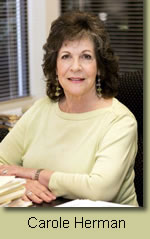
By Carole Herman, Founder and President
The Foundation Aiding The Elderly


In 1982, I formed the Foundation Aiding The Elderly (FATE) after my beloved aunt was overmedicated by her family physician and subsequently fell, broke her hip and ended up in a nursing home for rehabilitation.
My aunt entered this nursing home for rehabilitation; however, she never received the therapy she needed and never got out of that nursing home because of the "chemical restraints" -- the antipsychotic drug Haldol -- that were administered to her. The adverse side effects Haldol caused her to stop talking and swallowing; made her unable to do rehab; and ultimately made her bed-ridden, which caused her to develop a bed sore that eventually killed her. My family didn't know she was getting the Haldol or that she had developed a stage 4 bed sore that caused her death. We didn't know what to look for, what questions to ask or who to turn to for help until it was too late.
That was almost 30 years ago when nursing homes and medications were not on anyone's radar. Doctors were not being questioned about the medications, nor were they discussing the side effects of the medications. In addition, the older generation would never question a doctor, and still thought that doctors could do no wrong. And very little to no attention was being paid to nursing home care by the media or anyone else.
Over the years, I have worked very hard getting the word out about this national disgrace. Our most vulnerable citizens in long-term care facilities do not have a voice and FATE has been able to fill that void by speaking loud and clear for them and their families about abuses in long-term care facilities and, in particular, the overmedication of the patients in those places.
Chemical restraints in nursing homes finally became a "quiet" issue about 18 years ago. At that time, the federal government set regulations that antipsychotic medications in nursing homes may not be administered unless agreed to by the patient or the patient's decision maker in the event that patient was incompetent. It is called "informed consent" and the informed consent can only be obtained by the physician. It must be documented that the consent was in fact obtained by the physician.
My experience since then has been that unless the family knows the rights of the patient and gets educated on what they can do to ensure proper care, the abuses will continue. What makes it even more egregious is that the majority of payments to nursing homes comes from MediCare and MediCaid (MediCal in California) funds. Thus, we as taxpayers are funding elder abuse in the U.S.!
What is also outrageous is that when celebrities die of a drug overdose, people focus on the fact that they "died from an overdose of prescribed medications, not illegal drugs..." as if it is OK because the prescribed drug is legal! FATE began a letter-writing campaign a couple of months ago targeting the CEO's of the major television networks, publishing companies and newspapers and magazines, asking that they consider not advertising antipsychotic medications because of the horrific adverse side effects of these drugs -- especially in the elderly. So far, not one response!
I realize that we are fighting two of the biggest industries in the country -- nursing homes and pharmaceutical companies. Not only are these industries huge advertisers, they are also big campaign donors. However, it is time that the problems with prescribed medications and nursing home abuses are brought to the forefront so that the public knows what to watch out for.
With the baby boomers now turning 66, these problems are only going to get worse. It is not a mystery any longer that nursing home patients die each year from poor care, neglect and adverse side effects of antipsychotics drugs. And yet, the beat continues and the drugs are still being prescribed, and usually without consent. The pharmaceutical companies are taking our minds away from us and it's being allowed because the industry has tons of money to make sure that they are marketed to the public for consumption and the physicians continue to prescribe them.
Physicians should return to reading their PDR, Physician Desk Reference, when prescribing medications instead of listening to the sales pitch of pharmaceutical salespeople. The public should be asking pharmacists about the drug interactions, as they are the ones who studied medications and can explain the adverse side effects and risks of taking these types of
prescribed drugs.

I'm not saying that there is no need for nursing homes or medications. However, there is an epidemic of the use of mind altering drugs that needs to be addressed, as well as the lack of oversight by the government regulators to insure that all of us citizens who may end up in a nursing home someday get the proper care and treatment that we all deserve and that we all are paying for.
Copyright © 2012 TheHuffingtonPost.com, Inc.
____________________________________________________________
Credit: Reports and photographs are property of owners of intellectual rights. 
Seniors World Chronicle, a not-for-profit, serves to chronicle and widen their reach.

March 21, 2012

USA: Studies Link Daily Doses of Aspirin to Reduced Risk of Cancer

NEW YORK, NY / The New York Times / Research / March 21, 2012

By Roni Caryn Rabin

Taking aspirin every day may significantly reduce the risk of many cancers and prevent tumors from spreading, according to two new studies published on Tuesday.
Two new studies show that taking one aspirin tablet
daily may reduce the risk of cancer
Photo by Stephen Chernin/Getty Images.
The findings add to a body of evidence suggesting that cheap and widely available aspirin may be a powerful if overlooked weapon in the battle against cancer. But the research also poses difficult questions for doctors and public health officials, as regular doses of aspirin can cause gastrointestinal bleeding and other side effects. Past studies have suggested that the drawbacks of daily use may outweigh the benefits, particularly in healthy patients.
One of the new studies examined patient data from dozens of large, long-term randomized controlled trials involving tens of thousands of men and women. Researchers at the University of Oxford found that after three years of daily aspirin use, the risk of developing cancer was reduced by almost 25 percent when compared with a control group not taking aspirin. After five years, the risk of dying of cancer was reduced by 37 percent among those taking aspirin.
A second paper that analyzed five large randomized controlled studies in Britain found that over six and a half years on average, daily aspirin use reduced the risk of metastatic cancer by 36 percent and the risk of adenocarcinomas — common solid cancers including colon, lung and prostate cancer — by 46 percent.
Daily aspirin use also reduced the risk of progressing to metastatic disease, particularly in patients with colorectal cancer, the studies reported.
The studies, led by Dr. Peter M. Rothwell, a professor of clinical neurology at the University of Oxford, were published in the medical journal The Lancet. A third paper by Dr. Rothwell and his colleagues, published in The Lancet Oncology, compared the findings of observational studies and randomized trials of aspirin.
There is an urgent need for clinical trials of treatment regimens incorporating aspirin, Dr. Rothwell said.
“What really jumps out at you in terms of prevention is the striking 75 percent reduction in esophageal cancer and a 40 to 50 percent reduction in colorectal cancer, which is the most common cancer right now,” Dr. Rothwell said. “In terms of prevention, anyone with a family history would be sensible to take aspirin,” he added.
But while some experts called the new findings “provocative” and “encouraging,” mounting evidence about the preventive promise of aspirin puts health providers in a quandary. Aspirin increases the risk of not just of gastrointestinal bleeding, but of hemorrhagic strokes.
The new studies, however, also found that the risk of bleeding in aspirin users diminished over time, and that the risk of death from brain bleeds was actually lower in the aspirin users than in the comparison group.
“I think he’s on to something. I just want to be cautious, and I don’t want to exaggerate,” said Dr. Otis W. Brawley, chief medical officer and executive vice president of the American Cancer Society. “I’m not ready to say that everybody ought to take a baby aspirin a day to prevent cancer.”
Dr. Andrew T. Chan, an associate professor of medicine at Harvard Medical School and co-author of a comment published with the articles in The Lancet, said the studies, despite their limitations, “raise the level of excitement about using aspirin as a chemopreventive agent.”
“If you start to include the possibility that aspirin reduces the cancer risk beyond colon cancer, then the risk-benefit ratio shifts quite a bit, especially for those cancers where we have little to offer in the way of screening and early diagnosis,” Dr. Chan said.
The randomized clinical trials the Oxford investigators examined were not focused on cancer prevention; they were originally intended to study the effects of aspirin on preventing heart disease. The application of the findings to cancer prevention may be flawed, some experts said.
In the United States, two major studies of low-dose aspirin to prevent cancer did not find reductions in cancer with aspirin use. Those findings were excluded from analysis by the Oxford researchers because they involved use of aspirin every other day, rather than daily use.
Though many Americans use baby aspirin daily to reduce their risk of heart disease, patients are generally advised to do so only when their cardiac risk is presumed to outweigh the risks of taking aspirin. Physicians remain extremely reluctant to recommend long-term use of aspirin in a healthy population.
Some cancer doctors commended the new research, saying said that despite the limitations of the analyses, no other long-term clinical trials of aspirin and cancer are likely to be done because of the enormous expense involved and the fact that aspirin is a cheap generic drug.
© 2012 The New York Times Company
____________________________________________________________
Credit: Reports and photographs are property of owners of intellectual rights. 
Seniors World Chronicle, a not-for-profit, serves to chronicle and widen their reach.

March 10, 2012

BARBADOS: Barbados spending millions on kidney treatment

BRIDGETOWN, Barbados / Caribbean360.com / News / March 9, 2012

Queen Elizabeth Hospital in Barbados reports that the ages 
of patients requiring kidney treatment are getting younger.


Chronic kidney disease is on the rise in Barbados, resulting in the island’s lone general hospital spending $6.5 million annually on treatment.

Of that figure, the Queen Elizabeth Hospital spends $1.8 million per year to rent 23 dialysis machines for its Artificial Kidney Unit (AKU), and pays a further $300 per patient for the treatment of 24 patients at a private facility because the unit is too full.

Despite this, the numbers continue to rise with hypertension and diabetes still being identified as the main causes.
The number of patients requiring the services of the AKU has risen from three in 1979 to 200 in 2011, and is expected to double by 2020. These were among statistics being revealed as countries around the world marked World Kidney Day yesterday under the theme Donate – Kidneys for Life – Receive

Officials at the QEH are also reporting that the ages of patients requiring kidney treatment are getting younger.

The hospital is also reporting successes with its kidney transplants, with nine being conducted between 1991 and 1996, and the first laparoscopic one being done in February this year.

However, organisers of World Kidney Day are urging people to cut out the things they know are not healthy, pay attention to family history, exercise and eat in moderation.

They are advocating for people around the world to keep fit and active, maintain regular control of their blood sugar levels, monitor blood pressure, eat healthy and keep weight in check, maintain a healthy fluid intake, avoid smoking and taking over-the-counter pills.

Copyright © Caribbean360
____________________________________________________________
Credit: Reports and photographs are property of owners of intellectual rights. 
Seniors World Chronicle, a not-for-profit, serves to chronicle and widen their reach.

February 28, 2012

USA: Sleeping pills increase risks of death, study suggests

LONDON, England / The Guardian / Science / Drugs / February 27, 2012

Doctors call for rethink after large study finds prescribed pills could be associated with up to 0.5m extra deaths a year in US

Sarah Boseley, health editor

Sleeping pills prescribed for insomnia are associated with more than a fourfold risk of death, 
according to the study published in the BMJ Open journal. Photograph: Nick Todd/Alamy
Doctors are calling for a rethink of the use of sleeping pills after a large study showed that the drugs carry a substantially increased risk of death for those who are prescribed them.
Commonly used sleeping pills, or "hypnotics", such as temazepam and zolpidem, which is prescribed for short-term insomnia, are associated with more than a fourfold risk of death, according to the study published in the BMJ Open journal.
The study was carried out in the US, where up to 10% of the adult population took sleeping pills in 2010. The authors estimate that sleeping pills may have been associated with 320,000 to 507,000 extra deaths in the US that year.
The researchers, led by Daniel Kripke from the Scripps Clinic Viterbi Family Sleep Centre in La Jolla, California, studied the population served by the largest rural integrated healthcare system in America, in Pennsylvania.
Over a two-and-a-half-year period, they compared the death rates among more than 10,500 people who received sleeping pill prescriptions with those of more than 23,600 others – matched for age, state of health and other factors – who had not received such medication. The average age of the study group was 54.
The scientists in the study found that even at a relatively low rate of prescription – fewer than 18 doses a year – those who were given the pills had a 3.5 times greater risk of death compared with those who were not prescribed them. Individuals who were given pills more frequently – between 18 and 132 doses in a year – were more than four times more likely to be dead at the end of the study. The risk of death for those on the most pills – 132 doses or more a year – was more than five times that of those on no pills.
Those who had taken the most pills were also 35% more likely to be diagnosed with cancer – although they had not been at greater risk of cancer than the control group before the study began. The risk was greatest for temazepam, one of the benzodiazepines. A link between sleeping pill use and cancer has also been found in previous studies.
Just showing an association between sleeping pills and more deaths does not prove the pills are the cause, the authors point out, although the increased risk as the number of doses went up points in that direction. But there have been other studies in the past that have also appeared to detect an increased death risk with sleeping pills, the authors say.
Some US doctors have suggested a randomised controlled trial to establish for certain the death risk of sleeping pills, they write. "No such trial has ever been mounted, perhaps for reasons similar to the absence of randomised trials of cigarettes and of skydiving without parachutes."
Yet the benefits of sleeping pills "as critically reviewed by groups without financial interests" are meagre, they add, and it is now generally thought that cognitive behaviour therapy works better for people with chronic insomnia than tablets.
The doctors say there are many ways in which sleeping pills might shorten life. Such medication has been shown to increase depression, which can trigger suicide. They also interfere with motor and cognitive skills, which makes driving dangerous, and can cause sleep apnoea, which results in disturbed sleep and can lead to heart problems.
Some people taking the pills sleepwalk, which can be hazardous, and eat at night, "resulting in poor diet and obesity", says the paper.
In the study, people on sleeping pills were more likely to have oesophageal problems and peptic ulcers. They were more likely to be diagnosed with lymphomas, lung, colon and prostate cancers even than smokers.
The National Institute for Health and Clinical Excellence has given qualified approval to the short-term use of sleeping pills. The authors suggest it may be time to reconsider even that limited green light.
Nina Barnett of the Royal Pharmaceutical Society said it was "an important study and although it is unlikely to radically change prescribing in the immediate term, it should raise awareness and remind both patients and prescribers to the potential risks of sedative use for insomnia."
She added that the study did not prove the deaths were caused by the pills and warned that individuals should not stop taking prescribed medicines without talking to their doctor or pharmacist.
The Medicines and Healthcare Products Regulatory Agency said the safety of all medicines on the UK market was continuously monitored.
It added: "Hypnotics should be used to treat insomnia only when it is severe, disabling, or subjecting the individual to extreme distress, and use should be restricted to short-term (two to four weeks).
"There have been concerns about a possible association between hypnotic medicines and particularly benzodiazepines for a number of years. Unfortunately, the results from cohort studies have been mixed and inconclusive.
"The authors of the latest study have acknowledged the limitations associated with cohort studies and that further research is needed. We will consider the results of this latest study and whether it has any implications for current prescribing guidance."
____________________________________________________________
Credit: Reports and photographs are property of owners of intellectual rights. 
Seniors World Chronicle, a not-for-profit, serves to chronicle and widen their reach.

January 16, 2012

AUSTRALIA: Medicine use by the elderly has skyrocketed

MELBOURNE, Victoria / The Age / National / January 16, 2012


By Julie Robotham


One-third of women aged over 75 take 10 or more different types of medicine a day -
a level at which side effects dramatically escalate.

MEDICINE use by middle-aged and older people has skyrocketed, raising the risk of dangerous side effects from interactions between prescription drugs, and inflating out-of-pocket costs for unsubsidised supplements recommended by doctors.

Nearly half of people aged 50 or older take at least five drugs or supplements on a typical day, the first comprehensive survey of the issue in more than a decade has found.

Cholesterol-lowering treatment use has increased six-fold since 1995, according to the federal government-funded survey, while the proportion of people taking an antidepressant has nearly trebled - to one in 10 of the 1600 participants. And therapies such as fish oil for heart disease prevention and glucosamine, derived from shellfish and used to treat arthritis, are just as widely used as the most popular prescription drugs, the research reveals.

''People are using them as mainstream medicines. That really did surprise me,'' said Lynn Weekes, chief executive of the National Prescribing Service, which oversaw the study, published today in The Medical Journal of Australia.

Women were bigger medicine users than men, with one-third of those aged over 75 taking 10 or more different types a day - a level at which side effects dramatically escalate.

Dr Weekes, who cautioned that people who took more medicines might have been more inclined than others to join the study, said all an individual patient's medications should be reviewed every time a doctor considered adding a new one. ''We really need medical practitioners to see if the benefits are greater than the risks, and if the benefit is one the consumer cares about,'' she said.

Compared with other developed countries, Australia had a relatively high use of some medicine classes, including the cholesterol-lowering drugs known as statins, Dr Weekes said. But most of the use was likely to be appropriate. ''We're in the era now of the baby boomers and that means people will be taking medicines to keep well and prevent illness,'' she said. Doctors frequently recommended some natural supplements but these had to be purchased at full price as they were not available on a subsidised prescription.

David Le Couteur, president of the Australasian Society of Clinical and Experimental Pharmacologists and Toxicologists, said much of the increased medicine use was warranted as it preserved the health of an ageing population.

But when frail elderly people were taking many medicines, he said, ''they may be and probably are causing substantial harm, in excess of the benefits''.

''Pretty much everyone over 65 is on at least one medicine. Being middle-aged or old is becoming a medical diagnosis,'' Professor Le Couteur said. He said policymakers should consider the impact of increased prescribing on the federal government's Pharmaceutical Benefits Scheme, which costs more than $8 billion a year, and on state-run public hospitals that spend a similar amount on medicines.

The health of Australians might be better served if the money were spent on things other than pharmaceuticals, Professor Le Couteur said, such as improved home care for people with chronic diseases or preventive health programs.

Copyright © 2012 Fairfax Media
____________________________________________________________
Credit: Reports and photographs are property of owners of intellectual rights. 

Seniors World Chronicle, a not-for-profit, serves to chronicle and widen their reach.

December 12, 2011

FRANCE: Scandal Over Mediator, a French Weight-Loss Drug, Prompts Calls for Wide Changes


PARIS, France / Herald-Tribune.com / Health / December 12, 2011

By Scott Sayare

PARIS — In 33 years on pharmacy shelves here, the diabetes drug Mediator was prescribed to an estimated five million French patients, many of them diabetics, many others hoping simply to lose weight. When French authorities ordered the drug off the market in 2009, alerted to possible cardiovascular risks, there were 300,000 active prescriptions.

Mediator and its enigmatic French manufacturer, Laboratoires Servier, a privately held company with a troubled past, find themselves at the center of France’s largest public-health scandal in at least a decade. Health officials estimate that as many as 2,000 people died, with thousands more hospitalized, victims of cardiac valve damage and pulmonary hypertension apparently linked to the drug.

Politicians and the press have pilloried Servier, charging that it concealed the dangers of Mediator for decades and insisting that the company has a wider history of disregarding health concerns about its products. Many have noted that two Servier weight-loss products, both closely related to Mediator, were at the center of the fen-phen scandal of the late 1990s in the United States.

In France, government investigators have accused Servier of licensing Mediator as a diabetes drug to avoid scrutiny, but urging doctors to prescribe the pills as a diet aid to bolster sales — a practice that greatly expanded the pool of those potentially harmed by the drug. Magistrates are investigating the company on charges of consumer fraud and manslaughter, and a public prosecutor has charged Servier with defrauding the French health care system. Trials are expected next year.

There are broader implications, as well. Drug makers have long viewed France’s pharmaceutical oversight apparatus as being relatively permissive, in particular as compared with the United States Food and Drug Administration, which industry and some patient groups criticize as overly cautious. French political leaders say that the Mediator scandal has exposed the failings of the country’s regulatory system, which they have described as rife with conflicts of interest and marked by a distinct apathy toward questions of public health.

The head of the French regulatory body, known by its acronym Afssaps, resigned this year, and French senators approved a package of reforms in October.


French Labour minister Xavier Bertrand delivers a speech during the weekly session of questions to the government on December 7, 2011 in Paris.“We want there to be a ‘before’ and ‘after’ as regards Mediator in our country,” said Health Minister Xavier Bertrand, addressing the Senate. Getty Images

Servier says it did nothing wrong and has insisted that the discovery of the dangers of the drug, also known as benfluorex, depended in part upon recent advances in echocardiography.

“I don’t see at what point Mediator could have been caught sooner,” said Lucy Vincent, a spokeswoman for Servier.

The withdrawal of Mediator from the market in 2009 — it was then available in France, Luxembourg and Portugal — caused little stir. Only the following year, with the publication of a book titled “Mediator 150 mg: How Many Dead?” did the news media and government officials take serious note.


“I realized they were withdrawing the drug on the sly,” said the book’s author, Dr. Irène Frachon, a pulmonologist. Servier and the health authorities made little effort to alert former patients, she said, like “a car manufacturer who sees there’s a defect in the brakes of its car, and who corrects the defect in its production line but doesn’t warn the people who have the car.”

In 2007, Dr. Frachon was among the first to identify the apparent risks of Mediator. Her book prompted lawsuits, public outcry and a government inquiry.

In January 2011, the interministerial commission leading the inquiry charged that Servier had deceived health authorities and patients in order to keep Mediator on the market.

But in their report, investigators also wrote that health officials had ignored a series of warning signs beginning a decade before. They additionally found that regulatory decisions taken by the Afssaps, the drug licensing agency, were in fact a “co-production,” reached in “cooperation” with drug makers.

At the Afssaps, voting members of the approval committee have long served simultaneously as consultants or employees of the pharmaceutical firms they are meant to regulate, officials acknowledge. And while members are expected to declare conflicts of interest, there are no penalties for not doing so. Consultants or employees from various companies, including Servier, remain active participants even now, according to Ms. Vincent, the Servier spokeswoman.

In America Food and Drug Administration restrictions on conflicts of interest are more rigorous, French and American health officials say. Failure to report a conflict of interest is a crime.

Gérard Bapt à l'Assemblée Nationale
“It’s a matter of culture,” said Dr. Gérard Bapt, a cardiologist and a member of Parliament who has worked on the Mediator case. French health professionals and public officials often dismiss conflicts of interest as irrelevant, he said.


Dr. Gérard Bapt speaks in the National Assembly

Dr. Frachon agreed, attributing that attitude to a certain sense of pride. “We’re the nation of the Enlightenment,” the logic goes, she said, “and we don’t have to take moral lessons from anyone.”

Additionally, in the United States, the specter of class-action lawsuits imposes a higher level of precaution on the part of drug makers, Dr. Bapt suggested.

French law provides for no equivalent legal actions. The fen-phen scandal, which prompted two Servier drugs to be pulled from the market after being linked to severe heart damage, brought a huge class-action settlement and thousands of separate claims in the United States. Wyeth, which had licensed the drugs for the American market, set aside more than $20 billion to pay patient damages. In France, lawsuits connected to the same drugs — have seen a payout of no more than 2 million euros (about $2.7 million), Dr. Bapt said.

The recently approved legal changes, known as the “post-Mediator” rules and partly inspired by the American Physician Payments Sunshine Act, will not create the possibility of class-action suits here. But the reforms, to take effect in the spring, would put in place sanctions for Afssaps committee members who fail to declare conflicts of interest. Interactions between doctors and drug companies are to be more strictly limited, as well.

While they publicly hail the changes, however, some in the pharmaceutical industry insist that the outrage over Mediator cannot be fully explained by the revelations in the case so far. Rather, they say, the public appears shocked by the moral complexities of drug development — by the realization that all medications involve the weighing of benefits and risks, and that even the most honorable evaluators make mistakes.

“There is no public knowledge or acknowledgment of what medicines really are, their limits,” said Ms. Vincent of Servier. “They want to believe in the miracle.”

“Mediator was a drug like any other drug, with its advantages, because it certainly had its advantages, and unfortunately this major disadvantage, which came to light very late,” she continued. “That’s the tragedy of the story.”

Muriel Rousset, 45, began taking Mediator to lose weight shortly after the birth of her second son, in 1998. In 2006, she underwent open-heart surgery to replace two damaged heart valves; she continued to take Mediator, not knowing the drug may have caused her heart problem.

In an interview, she recalled hearing French health officials explain last year that “all medicines are dangerous.”

Muriel : «Je vis avec cette épée de Damoclès»

“Well, wait,” Ms. Rousset said. “For me, as a citizen, I don’t know that medicines are dangerous. A medicine is made to save a life, to bring health, to make things better. And not to kill us.”

Copyright © 2011 HeraldTribune.com

Photographs added by Seniors World Chronicle
____________________________________________________________
Credit: Reports and photographs are property of owners of intellectual rights. 
Seniors World Chronicle, a not-for-profit, serves to chronicle and widen their reach.

December 3, 2011

CANADA: One in four seniors takes 10 or more medications

TORONTO, Ontario / The Globe and Mail / Life / December 2, 2011


Tralee Pearce - Globe and Mail Blog

No wonder seniors need all those little pill boxes and organizers. A new study of seniors’ health has found that one in four Canadians aged 65 and up take 10 or more prescription medications.

The report by the Canadian Institute for Health Information also found that two thirds of seniors are taking at least five different medications. Researchers suggested the cause is likely overlapping health practitioners - and suggest more should be done to coordinate efforts and prevent potential mistakes.

More Related To This Story
With greying population, better integrated health care will be needed: report
Study warns about seniors' prescriptions
Being old doesn’t mean being sick, research shows

Kathleen Morris, CIHI's director of health system analysis and emerging issues, told CTV: "Some of those prescriptions may be coming from a family doctor, others may be coming from a specialist, and we know that seniors tend to take a lot of over-the-counter or drug store medications ... and they could also be taking vitamin supplements.

"So one of the challenges is managing all those different medications," including avoiding potentially dangerous drug interactions, she told CTV.

Groups that treat drug addiction have been sounding the alarm that seniors are at risk for addiction - some studies suggest about 17 per cent of seniors over 60 will experience prescription drug abuse and that more than 10 per cent of women over the age of 59 are currently addicted to prescription drugs.

Addictions aside, there are also big risks involved in non-addictive drugs. One recent study found that mix-ups involving common drugs such as diabetes pills and blood thinners are the most likely to land seniors in hospital for overdoses or dangerous reactions.

The CIHI findings were part of a broader look at seniors’ use of the health care system, which found that “...those in the 65-plus demographic are the most frequent users of health care, costing more than any other segment of the population,” reports CTV.

They represent 14 per cent of the population, but account for 40 per cent of hospital services and about 45 per cent of overall health spending, reports CTV. And by 2036, the researchers found that “those aged 65-plus are expected to make up one-quarter of the country's population and claim an even bigger piece of the health-services pie,” reports CTV.

Does it surprise you that Canadian seniors are taking so many medications? Should health care providers be paying closer attention to this issue?


More Related To This Story
Canada’s seniors: The doctor will see you now

© Copyright 2011 The Globe and Mail Inc.
____________________________________________________________ 
Credit: Reports and photographs are property of owners of intellectual rights.
Seniors World Chronicle, a not-for-profit, serves to chronicle and widen their reach.

November 26, 2011

USA: Four common meds send thousands of seniors to hospital

McLEAN, Virginia / USA Today / Your Life / November 25, 2011

By Jenifer Goodwin, HealthDay

An estimated 100,000 older Americans are hospitalized for adverse drug reactions yearly, and most of those emergencies stem from four common medications, a new study finds.


Photo Disc
Four common drugs cause the majority of drug-related hospitalizations in seniors.
The four types of medication -- two for diabetes and two blood-thinning agents -- account for two-thirds of those drug-related emergency hospitalizations.


"Of the thousands of medications available to older patients, a small group of blood thinners and diabetes medications caused a high proportion of emergency hospitalizations for adverse drug events among elderly Americans," said lead study author Dr. Daniel Budnitz, director of the U.S. Centers for Disease Control and Prevention's medication safety program.

Medications previously designated "high-risk" were implicated in only 1.2 percent of hospitalizations, the study found.

Working with a nationally representative database, CDC researchers identified more than 5,000 cases of drug-related adverse events that occurred among people aged 65 and older from 2007 to 2009 and used that to make their estimates for the whole population.

Nearly half (48 percent) of the hospitalizations occurred among adults 80 and up, according to the study, published in the Nov. 24 issue of the New England Journal of Medicine. Nearly two-thirds (66 percent) were the result of unintentional overdoses.

The four medications, used alone or together, most often cited:

The blood thinning medication warfarin (Coumadin, Jantoven), which is used to treat blood clots, was involved in 33 percent of emergency hospitalizations.

Insulin, used to control blood sugar in diabetes patients, was involved in 14 percent of cases.

Antiplatelet drugs such as aspirin and clopidogrel (Plavix), which are used to prevent blood clots, were involved in 13 percent of cases.

Oral hypoglycemic agents -- diabetes medications taken by mouth -- were involved in 11 percent of cases.

With antiplatelet or blood thinning drugs, bleeding was the main problem. For insulin and other diabetes medications, about two-thirds of cases involved changes in mental status such as confusion, loss of consciousness or seizures.

"These are important findings," said Dr. Michael Steinman, an associate professor of medicine in the division of geriatrics at the University of California, San Francisco, who is familiar with the research. "This study highlights a few key issues that are important for doctors and patients to be aware of. The first is that serious adverse reactions to drugs are common among older people, particularly among people over 80. But even those 65 and older are at substantial risk of having an adverse effect from their drugs."

One challenge for doctors and patients is that the medications may be necessary, Budnitz said.

"These are often critical medicines for patients' health," he said. "Patients who are on these medicines should tell all their doctors what they are taking and work together with their doctors and pharmacist to make sure that they are taking these medicines correctly."

Among U.S. adults aged 65 and up, 40 percent take five to nine medications and 18 percent take 10 or more, according to the study authors. Prior research has also found that older adults are nearly seven times more likely than younger people to have an adverse drug event that requires hospitalization. "As most people age, there often are changes in how their kidneys, liver, heart, and other organs work that can make them more susceptible to adverse drug events," Budnitz said.

And though taking lots of pills raises safety issues, in 82 percent of cases the treating physician attributed the overdose to a single drug, Budnitz added.

To reduce risks, Steinman said doctors and patients need to discuss whether the drug is truly necessary. For people with very high blood pressure or blood sugar, "the answer is almost always 'yes,' you should treat it," Steinman said. "But if you have only mildly elevated blood pressure or blood sugar, the benefits of treating it versus the harms start to shift. Do these drugs really provide enough benefit that it's worth taking them?"

Physicians and patients need to consider a person's age, overall health, other medications they take (keep a list including dosages) and patient preference, such as how easy they find it to keep track of blood sugar and dosages, he said.

With anticlotting or blood-thinning agents, stopping them is probably not an option, Steinman said. So patients need to be attuned to any side effects they experience, even if they seem minor. Catching side effects early can prevent more serious problems later on, and doctors may be able to change the medication or lower the dosage, he said.

Copyright 2011 HealthDay.
______________________________________________________________ 
Credit: Reports and photographs are property of owners of intellectual rights. 
Seniors World Chronicle, a not-for-profit, serves to chronicle and widen their reach.