Remember ME - You Me and Dementia

Showing posts with label Cancer. Show all posts

March 27, 2012

SINGAPORE: Cervical cancer test kit jumps Asian cultural hurdles

SINGAPORE / Reuters / Health / March 26, 2012


By Eveline Danubrata


A Singapore-Dutch joint venture has launched a home test kit for cervical cancer to make the process more convenient and help women, particularly in Asia, overcome fear of the traditional pap smear.

Cervical cancer, with about 500,000 new cases and 250,000 deaths each year, is the second most common cancer among women after breast cancer, the World Health Organization says.

"We are still struggling with reaching out to women for cervical cancer screening in Asia," Singapore gynecological oncologist Tay Eng Hseon said at a media briefing on Monday, citing factors such as shyness, culture, fear and lack of time.

Delphi Bioscience Asia Pte Ltd is a collaboration between Delphi Bioscience BV, a life sciences company based in the Netherlands, and its Singapore partners Tay and businessman David Tan.

The Delphi screener, with a cylindrical shape and round tip, can be inserted to the top of the cervix by the user to collect cells with a sterile, saline liquid. This is then used to test for high-risk Human Papilloma Virus (HPV), which could cause cervical cancer.

In a pap smear, cells are scraped from the opening of the cervix with a speculum and then examined under a microscope.

The recommended retail price for the screener is S$79.90 ($63), including the laboratory test. This compares with S$30-40 for a pap smear in a clinic and more than S$100 for an HPV test, Tay said.

Delphi expects the screener to be available at about 100 family physician clinics in Singapore over the next three months and hopes to use the Southeast Asian city-state as a regional launchpad.

Tan, executive managing director (commercial) at Delphi Bioscience Asia, said its Indonesian distributor has committed to 1.5 million units over the next 12 months and Malaysia is next in the company's sights.

But China, the world's second-largest economy, poses significant regulatory hurdles, Tan said.

"China is not on our immediate radar for obvious reasons," he said. "Regulatory approvals take a long time and they are very complicated." ($1 = 1.2626 Singapore dollars)

(Reporting by Eveline Danubrata; Editing by John O'Callaghan)

© Thomson Reuters 2011

____________________________________________________________
Credit: Reports and photographs are property of owners of intellectual rights. 
Seniors World Chronicle, a not-for-profit, serves to chronicle and widen their reach.

March 25, 2012

UK: Failure to treat elderly cancer sufferers 'is costing 14,000 lives each year'

LONDON, England / The Daily Mail / Health / March 25, 2012


By Sophie Borland

Scandal: Britain has one of the worst cancer survival rates in the Western world
because elderly patients are too easily ruled out for surgery. (Posed by models)


Up to 40 elderly cancer sufferers are dying needlessly every day because they are being denied the best treatments, a damning report warns.

Patients over the age of 70 are routinely being ‘written off’ by doctors who assume they are too frail for surgery, chemotherapy or radiotherapy.

Such discrimination has led to Britain having one of the worst cancer survival rates in the Western world, according to Macmillan Cancer Support.

The charity estimates that if the treatment of older patients matched that on offer in the U.S., as many as 14,000 lives could be saved every year.

Ciaran Devane, chief executive of Macmillan, described it as an ‘unacceptable act of discrimination’.

In the report, he points out that while cancer rates are vastly improving across most age groups, they have actually worsened in patients aged 85 and above.

And despite major advances in diagnosis and treatment, the survival chances for patients over the age of 75 have only increased by a fraction.

Mr Devane said: ‘Writing people off as too old for treatment is utterly shameful. We have a moral duty to treat people as individuals and give them the best chance of beating cancer, regardless of their age.

‘The NHS and social care providers must wake up to the specific issues older people face and ensure treatment decisions are based on their overall health, not just their date of birth.’
The report warns that many doctors are wary of offering elderly patients surgery, chemotherapy or radiotherapy as they are more likely to suffer debilitating side effects, including sickness and extreme tiredness.

The body is also more prone to infection which can cause death.

While cancer survival rates have improved for
most other age groups, they have actually
worsened for those aged over 85.


Many doctors are also often worried about putting patients forward for treatment if they have illnesses such as dementia and diabetes in case their drugs or the condition itself causes complications.

But the report urges doctors to look at patients’ health and physical fitness rather than their date of birth.

It points out that while one 78-year-old may be bed-bound, another might be running half-marathons.

Figures cited in the report show that only 36 per cent of cancer patients in England over the age of 75 are likely to survive their illness.

This compares with 49 per cent in Sweden, 45 per cent in Germany and 40 per cent across Europe as a whole.

The most recent figures show that between 1995-97 and 2003-05, cancer mortality rates dropped by 17 per cent for those under 75.

By contrast, they fell by only 6 per cent in the 75-84 age group and they actually increased by 2 per cent among the over-85s.

Professor Riccardo Audisio, a breast cancer surgeon at St Helens Hospital in the Wirral, admitted: ‘We have huge evidence of under-treatment for these patients.

‘It is despicable to neglect, not to offer, not to even go near to the best treatment option only on the simple basis of the patient’s age. This has been a horrible mistake that, particularly in the UK, we have suffered from.’

Last year, research found that only 54 per cent of breast cancer patients over 70 were given surgery compared with 85 per cent of younger patients.

Copyright by Associated Newspapers Ltd
____________________________________________________________ 
Credit: Reports and photographs are property of owners of intellectual rights. 
Seniors World Chronicle, a not-for-profit, serves to chronicle and widen their reach.

March 24, 2012

SAUDI ARABIA: 10 Saudi women take fight against breast cancer to Mount Everest

RIYADH, Saudi Arabia / Arab News / Life & Style / Offbeat / March 24, 2012

A woman walks past a display of a brain slice of patient "H.M." at the MIT 150 Exhibition, 
celebrating Massachusetts Institute of Technology's 150 year anniversary, in Cambridge 
in this January 7, 2011 file photo. (Reuters)

By ARWA AL-RIKABI

Princess Reema bint Bandar bin Sultan and the Zahra Breast Cancer Association launched a campaign on Tuesday where 10 Saudi women will climb to the Mount Everest base camp in May.
The 10 climbers include Jude Al-Aitani, Asma Al-Sharif, Mashael Alhegelan, Mona Shahab, Noura Bouzo, Raha Al-Moharrak, Lina Almaeena, Samaher Mously, Hatun Madani, Alya Al-Sa’ad, Reema Al-Saud, and Marie Green. They will be accompanied by a filming crew.
The campaign, titled “A Woman's Journey: Destination Mount Everest,” will raise awareness about breast cancer and is being held under the patronage of the Saudi Ministry of Health and the Ministry of Education.
Under the banners of Alf Khair (the CSR arm of Alfa International Limited “Harvey Nichols”) and Al-Bidayah Breastfeeding Resource and Women's Awareness Center, Princess Reema is heading the campaign.
Explaining the aims of the campaign, the princess said: “Alf Khair and Al-Bidayah are leading advocates for women's causes in the Kingdom and we want NGOs, schools, universities, activists, the government, and media to be part of this campaign to form a network that not only builds awareness but helps us achieve our vision of having healthier and cancer-free Saudi women. I am honored and proud to lend my voice to this collective group effort.”
The campaign, which was organized by Princess Reema and Dr. Modi Batterjee, highlights awareness on breast cancer prevention through adapting healthy lifestyle habits and staying physically active.
This is based on extensive research published in major scientific journals worldwide indicating that physically active women have a lower risk of developing breast cancer than inactive women.
In a study published in the Journal of the National Cancer Institute, investigators found that the amount of activity needed to achieve a 23 percent reduction in risk of breast cancer was roughly equivalent to 3.25 hours of running or 13 hours of walking per week.
Due to the 8,000 cases of breast cancer being discovered annually in Saudi Arabia according to the Saudi Cancer Registry at King Faisal Specialist Hospital and Research Center, making it the most common type of cancer in Saudi women, this campaign seeks to encourage Saudi women to spread awareness about breast cancer and its early detection.
“The campaign's goals are threefold: Spread awareness, encourage greater participation, and promote healthier lifestyles. The Zahra Breast Cancer Association is privileged that Princess Reema has taken up such a noble cause and we hope this May Saudi women will join us when we climb Mount Everest, and walk for 15 minutes a day in support of the climbers and help spread awareness about this deadly disease,” said campaign spokesperson and breast cancer survivor Ola Abbass Al-Marzouky, who is also general supervisor for Zahra’s Makkah office. Besides promoting exercise, the campaign focuses on early detection, since 50 to 60 percent of cases in Saudi Arabia are diagnosed at a late stage.
Dr. Muna Baslaim, a breast surgeon at King Fahd General Hospital in Jeddah, urges women to have routine checkups. “Breast cancer is on the rise in the Kingdom and early detection can prevent cancer. Women aged 40 and above should have an annual mammogram screening. Women in their 20's and 30's should be aware of their health and how their breasts feel so they can seek medical advice early,” she explained.
Princess Reema and Batterjee were inspired by their previous success in breaking the Guinness World Record on behalf of Zahra in 2010 by forming a human pink ribbon chain in Jeddah.
© 2010 Arab News
___________________________________________________________
Credit: Reports and photographs are property of owners of intellectual rights. 
Seniors World Chronicle, a not-for-profit, serves to chronicle and widen their reach.

March 9, 2012

FRANCE: The next decade should do for prostate cancer what the past one has done for breast cancer

PARIS, France / The Economist / Science & Technology / March 10, 2012 edition

Treating prostate cancer

The men’s room


MOST cancers are equal-opportunity killers. Some, though, are perforce sex-specific. Breast cancer is rare in men. And prostate cancer is obviously absent from women. Recent years have seen a plethora of new drugs—starting in 1998 with Herceptin—for treating breast tumours that are threatening to get out of control. No such breakthrough has happened with prostate cancer. Though easily treated if caught early, late-stage prostate cancer is serious and often fatal. But that may be about to change.


Better understanding of the biology of the disease, and particularly of the role of testosterone in promoting it, has stimulated a new era of drug development, reminiscent of the revolution that ushered in Herceptin. These novel treatments, which are now undergoing clinical trials, were one of the main topics of conversation at the Congress of the European Association of Urology, which took place in Paris on February 24th-28th.
Some of the therapies discussed remain conceptual almost to the point of fantasy: a genetically engineered virus that could destroy prostate-cancer cells from within, for example. Several, though, are already available, or are just about to be.
Cabazitaxel, made by Sanofi, a French firm, is one. It is a relative of taxol, a drug used to treat breast and ovarian cancer. It works by preventing the formation of structures called microtubules, which pull the chromosomes apart in dividing cells (such as cancer cells). It was approved for use in 2010 after trials showed that it could prolong the lives of men with late-stage disease. A second drug, abiraterone, made by Johnson & Johnson, an American company, was approved in 2011 after a trial was stopped because it had been so successful that the organisers deemed it unfair on those in the control group that they were not receiving the medicine too.
Abiraterone works by interfering with an enzyme involved in the production of testosterone. Crucially, it does so in all testosterone-producing tissues, particularly including the adrenal glands, not just the testes. A common change that occurs when prostate cells turn cancerous is that they become extremely sensitive to testosterone—so much so that late-stage prostate cancer is often referred to as being “castration-resistant”, because even that drastic testosterone-reducing treatment cannot halt it. But abiraterone can.
Testosterone poisoning
Cutting off the testosterone supply is not, however, the only approach possible. MDV3100, made by Astellas, a Japanese firm, and Medivation, an American one, reduces the cancer’s sensitivity to what testosterone is already there. This drug, not yet approved for prescription, works by gumming up testosterone receptors on the cancer cells’ surfaces, so they cannot react to the hormone. It also cuts the lines of communication between any receptors which are still activated and the cell nucleus, so that the nucleus cannot take instructions from the hormone.
A fourth drug, alpharadin, developed by Algeta, a Norwegian firm, has a completely different mechanism of action. It works not on the primary cancer but on one of its most dangerous consequences, secondary bone tumours. Ironically, its active ingredient is radium, a substance more usually thought of as a cause of cancer than as a treatment. But one reason radium is dangerous is that, as a glance at the periodic table will show, it is chemically similar to calcium, a principal ingredient of bone. It therefore gets absorbed by bones if ingested, rather than being excreted.
Algeta’s researchers have exploited this to produce a drug that is taken up by bones. In someone who already has cancer that is a good thing, because the radiation produced kills the cancer cells, and the drug gets concentrated where it is needed most.
It sounds desperate, and it is. But it seems to work. A trial at the Royal Marsden Hospital, in London, was stopped last year for the same reasons that the abiraterone trial was stopped: the treatment was too successful to deny it to the control group. Alpharadin is now, therefore, awaiting approval by the authorities.
The final proven approach to castration-resistant prostate cancer is a vaccine. This is not a prevention, in the way that most vaccines are, but a treatment for existing disease. Sipuleucel-T, as the vaccine in question is known, is made by Dendreon, an American firm. The starting point is a culture of human dendritic cells. These are part of the immune system and, if suitably treated with a substance called a fusion protein, can be used to make prostate-cancer cells vulnerable to immune attack.
Sipuleucel-T’s main drawback is that each treatment has to be handcrafted to the individual receiving it, using dendritic cells from his own body. This is hugely expensive—almost $100,000 a course. That is a sum which insurance companies and government health services might understandably be reluctant to fork out.
Cost, indeed, is a consideration for others among the new anti-prostate-cancer treatments. Britain’s National Institute for Health and Clinical Excellence, which assesses the cost-effectiveness of new medicines that might be paid for by the country’s National Health Service, reckons, for example, that abiraterone is too expensive to justify the extra months of life it brings. But Herceptin, too, was subject to scrutiny about its cost at the beginning. Now Herceptin treatment is routine, and many women’s lives are the better (and longer) for it. With luck, in a few years’ time, men will be able to say the same.
Copyright © The Economist Newspaper Limited 2012
____________________________________________________________
Credit: Reports and photographs are property of owners of intellectual rights. 
Seniors World Chronicle, a not-for-profit, serves to chronicle and widen their reach.

March 6, 2012

USA: Coming clean about my first colonoscopy

ATLANTA, Georgia / CNN Health / March 6, 2012

By Lisa O'Neill Hil, Special to CNN

In my 20s, after my doctor performed a laparoscopy to examine my uterus and ovaries, he gave me a videotape of the procedure. I dubbed it "Madame Ovary," threw a party and screened it for my friends.

Three years ago, when my doctor sent me to have a colonoscopy, the last thing on my mind was seeing footage from the exam.

At 39, I was mortified about having a procedure that I associated with older people. I didn't even want to talk about it, let alone see it.

But March is National Colorectal Cancer Awareness Month, so I'm coming clean. While drinking two liters of liquid that tastes like dirty sea water to evacuate my bowels doesn't rank highly on my list of things to do, neither does dying from colon cancer. And having a colonoscopy, although unpleasant and embarrassing, was one of the best things I have ever done for my health.

Of all cancers affecting both men and women, colorectal cancer --cancer of the colon or rectum -- is the second-leading killer in the United States, according to the Centers for Disease Control and Prevention.

Overall, the lifetime risk of developing colorectal cancer is 1 in 20, and up to 150,000 new cases a year are reported in the United States, the American Cancer Society says. A recent study published in the New England Journal of Medicine found that removing precancerous growths spotted during a colonoscopy can cut the risk of dying from colon cancer in half. More than 95% of tumors are detected during a colonoscopy.

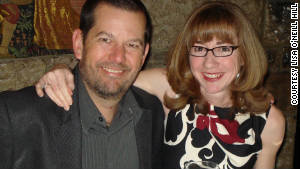
Lisa O'Neill Hill and her husband, Toby, pose for a photo at a dinner in 2011.

Yet despite these statistics, people feel squeamish about the exam and tend to put it off.

"It's a potentially embarrassing procedure. It's not like an eye exam in terms of personal exposure," said Dr. Anthony N. Kalloo, the director of gastroenterology and hepatology at The Johns Hopkins Hospital.

The American Cancer Society and the Annals of Internal Medicine recommend that adults be screened for colorectal cancer starting at age 50. Doctors urge people with a family history of colon cancer to begin screening much earlier.

I guess I'm an overachiever. While I don't have a family history of that kind of cancer, I did have one of the common symptoms -- bleeding, a change in bowel habits, weight loss, poor appetite, bloating and/or abdominal pain -- that sent me running to my family doctor. He referred me to St. Jude's Knott Family Endoscopy Center in Fullerton, California, for a colonoscopy.

I can't describe the pure joy I felt at receiving THAT news.

I didn't know too much about the procedure but what I did know sounded horrible. During a colonoscopy, a doctor examines the inside of the colon and rectum by inserting a colonoscope, a thin, flexible instrument that sends images to a TV screen or computer.

In order for the doctor to do a thorough exam, the patient needs to prepare by fasting; I drank only liquids the day before the exam. He or she may also be required to chug down a solution that will ... let's just say keep them at home, near a bathroom.

"It literally takes a whole day away from your life, where you could be doing normal things and instead you are drinking this bowel prep that is uncomfortable and that limits your social life," Kalloo said.

Following the instructions I was given, I started fasting the day before the procedure. I was restricted to certain fluids and particular colors of Jell-O (nothing red or purple.) I spent the morning longing for my usual massive cup of coffee and substantial breakfast and instead downed water, Gatorade and chicken broth.

Around 5 p.m., the fun really started. I began drinking a liter of a polyethylene glycol (PEG) bowel prep. I had to down 8 ounces of this stuff every 15 minutes followed by 16 ounces of clear liquid. I drank another liter several hours later while trying not to vomit.


The manufacturers said the solution was lemon-flavored; it really resembled a noxious mix of chemicals that I can still taste to this day. 
Lisa O'Neill Hill

Dr. Gene Yoon, my gastroenterologist, concedes that for most patients, the preparation is the worst part. Yoon and other physicians now use magnesium citrate, which he said requires patients to drink less, is easier to tolerate and works just as well.

By the time I arrived at the Knott Family Endoscopy Center the next morning, I was nervous and praying the worst was over. It was. I don't remember anything past the point where I was sedated. An IV solution sent me into a "twilight sleep." It also made me forget the procedure, which no doubt was for the best.

When I woke up, I was groggy but I also felt incredibly well rested. I had only a small amount of discomfort, including abdominal cramping that doctors say is normal.

I don't remember getting dressed or leaving the hospital. But in my daze, I asked my father to swing by Starbucks to pick up a cup of coffee and a sandwich. When I got home, I dozed for a few hours and that was that.

Yoon called the next day with my results: He'd found and removed a 1.5 centimeter villous adenoma polyp from my sigmoid colon. After examining the polyp, Yoon estimated that there was a more than a 50% chance of that polyp becoming malignant.

Yoon removed the polyp before that had a chance of happening. Of all the polyps, villous adenomas are associated with the highest mortality and morbidity rate.

I consider myself extremely lucky I had a symptom. If I hadn't, I wouldn't have had a colonoscopy until I was at least 50 -- and who knows how long I would have put it off after that.

"Colon cancer is one of the few cancers that can actually be prevented, mainly because it goes through this polyp stage before it turns into colon cancer," Yoon says.

Given what he'd found, Yoon suggested that my younger brother also have a colonoscopy. Craig had his colonoscopy when he was 36; the doctors didn't find anything.

Two important people in my life, my husband's stepfather and my trainer, have had colon cancer. For both of them, the cancer was detected during routine colonoscopies. I thank God they were proactive about their health.

Polyps are slow-growing and asymptomatic, Yoon says. The cancer can also be slow-growing and asymptomatic -- until it starts spreading.

"Usually once you start developing symptoms from colon cancer, things are way too late," he said.

Eating a high-fat diet, consuming red meat and smoking will increase your risk of developing colorectal cancer, as is a familial history of the disease. Doctors recommend exercising and eating a diet rich in vegetables, fruit and fiber.

At Hopkins, researchers are looking into the role that curcumin - a spice commonly used in India - may play in reducing the risk of colon cancer. Preclinical and laboratory tests show it may be useful, Kalloo said. I've always loved curry, and I'm thinking about ways to incorporate this spice into our meals.

But even if you play by the rules of healthy living, it's important to get screened.

"We have to do better," Kalloo says. "Family care physicians and everyone who sees patients should ask someone over 50, 'Have you had a colonoscopy?' It's just not a convenient test. Even physicians tend to procrastinate."

After Yoon called me with the results, I sent a thank you note to my family doctor, telling him how much I appreciated him referring me for a colonoscopy. Yoon's office called me recently to set up another appointment. I'm not looking forward to it, but there's no question I will do it again.

Considering the alternative, I'd be crazy not to.

© 2012 Cable News Network. ___________________________________________________________
Credit: Reports and photographs are property of owners of intellectual rights. 
Seniors World Chronicle, a not-for-profit, serves to chronicle and widen their reach.

December 13, 2011

USA: Most Older Adults Receive Cancer Screenings, Despite Recommendations to the Contrary

NEW YORK, NY / ABC News / Health / December 12, 2011

Despite marked advances in breast cancer screening and treatment, a new study suggests that older women may not be benefiting from these advances as much as younger patients. Getty Images


By Kim Carollo (@kimcarollo)

Most adults 75 and older undergo cancer screenings, even though the U.S. Preventive Services Task Force recommends against routine screening for certain cancers in that age group, according to a study published in Archives of Internal Medicine.

Researchers led by Keith Bellizzi, an assistant professor of human development and family studies at the University of Connecticut in Storrs, found that among 1,697 adults between the ages of 75 to 79, 57 percent were screened for colorectal cancer, 62 percent were screened for breast cancer and 56 were screened for prostate cancer. Adults older than 80 were screened less often -- 38 percent of the 2,376 adults in this age group received screening for cervical cancer and 50 percent were screened for breast cancer.

"What we found, generally, was that a high percentage of older adults are continuing to undergo cancer screening, despite ambiguity regarding recommendations," said Bellizzi. "We even see those rates as relatively high in adults 80 years or older."

Other factors correlated with screening were physician recommendations, education level and certain medical conditions. Older adults were more likely to get screened if their doctors recommended it, if they were college educated and, regarding prostate cancer screening, if they had other medical conditions.


Government Panel: No Need for Regular Prostate Exams

Bellizzi explained he and his colleagues wanted to get an idea of how many older Americans were still getting screened for cancer. The findings, he hopes, will lead to dialogue about what factors should be taken into account when making screening recommendations.

"The important question that is raised as a result of these findings is what are the factors physicians should consider in deciding to screen? he said. "And how do we decide whether to screen or not to screen?"

There have not been many studies evaluating how effective screening is in the older adult population. Most research has focused on younger adults, and recommendations are based on findings of these studies.

Age Just a Number When It Comes to Screening

Cancer experts say there are a number of variables to consider when recommending screening, and relying solely on a person's chronological age may not be the best way to determine whether screening is necessary. Life expectancy and current health status are also important.

"For breast cancer, colorectal cancer and cervical cancer -- the cancers for which screening has been proved to be effective -- if a person has less than five years to live, then screening is not beneficial," said Dr. Locovico Balducci, program leader of the Senior Adult Oncology Program at the Moffitt Cancer Center in Tampa, Fla. "But if it's longer and if a patient can tolerate cancer treatment, they shouldn't be denied screening."

But determining life expectancy can be tricky, and patients may also have very strong beliefs about the need for screening, so doctors will often still recommend screening tests.

"There's no crystal ball -- we don't know what life expectancy is for sure, and patients may be really concerned about cancer. Doctors and patients may still want screening to occur, and that's a tough thing to fight," said Dr. David Penson, professor of urologic surgery at Vanderbilt University Medical Center at Nashville.

Copyright © 2011 ABC News Internet Ventures.
____________________________________________________________
Credit: Reports and photographs are property of owners of intellectual rights.
Seniors World Chronicle, a not-for-profit, serves to chronicle and widen their reach.

November 28, 2011

USA: Obesity is increasing throughout the world

CAMBRIDGE, England / ResearchSEA / Novermber 24, 2011

Nature Reviews Cancer link with obesity


Obesity is increasing throughout the world and many studies have shown that this increase is accompanied by an increased risk of developing various types of cancer.

In an Opinion article in the December 2011 issue of Nature Reviews Cancer, Bruce Spiegelman and colleagues discuss the possible mechanisms underlying this worrying connection and the possibilities for therapeutic intervention.

Obesity causes many systemic alterations in the human body and it is widely believed that these changes might promote many types of cancer. For example, obesity modifies inflammation pathways and causes increased levels of adipokines – hormones produced by adipose tissue – and lipids, such as cholesterol, in the blood. 

Additionally, increased levels of insulin, which occurs in type 2 diabetes – another obesity-associated disease – may also promote tumour growth. 

The authors critically assess the impact of these changes on tumour initiation and growth and discuss the important issues that are yet to be resolved that might aid in preventing or treating obesity-linked cancers.

Author contact:
Bruce M. Spiegelman (Dana-Farber Cancer Institute, Harvard Medical School, Boston, MA, USA)
E-mail: bruce_spiegelman@dfci.harvard.edu
____________________________________________________________
Credit: Reports and photographs are property of owners of intellectual rights.
Seniors World Chronicle, a not-for-profit, serves to chronicle and widen their reach.

November 19, 2011

USA: Breast cancer advances miss the elderly

HOUSTON, Texas / The Houston Chronicle / News / November 19, 2011

Study finds drop-off by age despite overall improvements

By Todd Ackerman, Houston Chronicle


Dorothy Borel, 78, of Houston, says her fight against stage 3 breast cancer was "the hardest thing I've ever been through."
Photo: TODD SPOTH / Todd Spoth

Breast cancer care has improved dramatically in the past quarter-century, but a new Houston study suggests elderly women are barely benefiting from the advances.

Breast cancer patients 75 and older went from being the age group most likely to survive 10 years in 1980 to the least likely since the mid-1990s, according to the University of Texas M.D. Anderson Cancer Center study. The drop-off occurred even though tumors in older pa-tients tend to be the least aggressive.

"These numbers show differences in the outcomes of older women with breast cancer that certainly surprised me," said Dr. Benjamin Smith, an M.D. Anderson professor of radiation oncology and the study's lead author. "We found significant improvement in all other age groups over time, but in older women the improvement was minimal."

Smith said the graying of the population makes it more important for oncologists to develop better breast cancer strategies for elderly patients.

Women over 75 account for nearly 40,000 of the roughly 230,000 cases of breast cancer diagnosed every year. A woman's risk generally increases with age.

The study, published last week in the Journal of Clinical Oncology, didn't examine the cause of older women's lower survival rates.

But Smith hypothesized that reasons could include lower mammography rates resulting in later-stage diagnoses; chemotherapy regimens often too toxic to be tolerated; and limited knowledge of treatment options because older women are underrepresented in clinical trials.

Older women are the second group shown not to benefit from recent advances in breast cancer care. In 2007, an M.D. Anderson study found black women aren't faring any better now than two decades ago.

The new study confirmed that, finding black breast cancer patients' absolute death rate in 2006 was 38 percent higher than whites'.

Screening issues

One geriatric expert called the overall decrease in breast cancer deaths "an amazing success story," but acknowledged the smaller improvements in older women show "there is more work to be done."

"I agree that older women are less likely to get treatments generally considered optimal," said Dr. James Goodwin, director of the Sealy Center on Aging at the UT Medical Branch at Galveston. "We need to educate both cancer specialists and older women with breast cancer about the treatment choices and their implications."

Smith's team analyzed U.S. government data from more than 200,000 women ages 20 and older diagnosed from 1980 to 1997, looking at the rate of breast cancer death in the general population and the risk of breast cancer death in newly diagnosed patients. They compared the changes over time.

In 1980, the risk of death within 10 years of diagnosis was 24 percent among patients 75 and older; 28 percent among patients 65 to 74; and 32 percent among patients 55 to 64. In 1997, the risk was 17.4 percent among patients 75 and older; 15.4 percent among patients 65 to 74; and 16.6 percent among patients 55 to 64.

Between 1990 and 2007, the largest decrease in death rates was in women 20 to 49 - 2.4 percent per year. The smallest was in women 75 and older - 1.1 percent per year.

Surveys support the theory that less screening affects older women. About 50 percent of women over 75 get regular mammograms, compared to 80 to 90 percent of women under 65.

However, Harvard professor Mara Schonberg warned against just recommending more screening to solve the problem. A researcher on breast cancer prevention and treatment, she stressed the importance of life expectancy and expected quality of life in such decisions.

Tolerating treatments

Among those who opted for mammography and treatment was Dorothy Borel, a 78-year-old Houston woman, who says she's doing great after undergoing chemotherapy, a mastectomy and radiation therapy for stage 3 breast cancer. But she called it "the hardest thing I've ever been through."

"I was going to do whatever I need to do to keep living," said Borel, who previously had kidney cancer, open-heart surgery and thyroid disease. "But I can't begin to tell you how hard it was. I consider myself a very independent person, but I couldn't have done it without all the help I had."

Smith noted that some elderly people opt not to have chemotherapy because it can be so harsh and that some cannot undergo it because it's too toxic given other health problems.

The benefits of chemotherapy in older people have been controversial because of a lack of evidence, he said, but recent data show the therapy can make a difference.

Smith said much more research must be done to predict who can tolerate treatments and to develop better ones.

todd.ackerman@chron.com

© 2011 Hearst Communications Inc.
__________________________________________________________
Credit: Reports and photographs are property of owners of intellectual rights. 
Seniors World Chronicle, a not-for-profit, serves to chronicle and widen their reach.

October 18, 2011

UK: Elderly women underestimating threat of breast cancer

LONDON, England / The Telegraph / Health / October 18, 2011

Only one older woman in 50 realise that they are at the highest risk of developing breast cancer, rather than the middle-aged, a survey has found.
Only half of those over 70 were aware they were entitled to a routine
NHS breast screening appointment Photo: REX

By Stephen Adams, Medical Correspondent

Two-thirds of those over 70 think that women aged 40 to 59 are at greatest risk of the disease, which kills 12,000 women a year in Britain, according to the poll by the charity Breast Cancer Campaign.

Yet a third of the 48,000 breast cancer diagnoses made every year in Britain are in the over 70s, a disproportionately high number.

It also found that only half of those over 70 were actually aware they were entitled to a routine NHS breast screening appointment. Only one in seven had actually attended since turning 71.

Baroness Delyth Morgan, chief executive of Breast Cancer Campaign said: "It is extremely worrying that although age is the biggest risk factor when it comes to developing breast cancer, less than two per cent of women are aware that women over 70 are most at risk.

"We read daily about different risk factors for breast cancer including alcohol and weight. While these are important, age is the most significant risk factor of all and yet women, including those most likely to be affected, remain in the dark about this.

"A third of all breast cancer diagnoses in the UK - or over 15,000 per year -occur in women aged 70 and over, so it is absolutely vital that women of this age are better informed about their risk and the steps they can take to ensure their breast health is a priority.

"There is a danger that women over 70 think they are no longer at risk, particularly as the vast majority no longer receive invitations to screening, so are more reliant on healthcare professionals to inform them of their risk and remind them to be breast aware."

© Copyright of Telegraph Media Group Limited 2011
__________________________________________________________
Credit: Reports and photographs are property of owners of intellectual rights.
Seniors World Chronicle, a not-for-profit, serves to chronicle and widen their reach.

September 28, 2011

UK: Cancer treatment is increasingly unaffordable

LONDON, England / The Telegraph / Health  News / September 28, 2011

The Big C: Miracles are being performed, but the cost of treatment is becoming prohibitive. We must move beyond fighting over expensive drugs that add only a few months to life.

Divided: a scientist analyses cancer cells but the cost of oncology drugs in
financial and emotional terms is enormous  Photo: ALAMY

By

One in three of the population will be diagnosed with cancer at some point in their lives. Nearly all families have been affected. It is a disease that causes much emotion and fear. Politicians, with their never-ending quest for popularity, have ruthlessly exploited it as a battleground for catching votes. Promises are easy but their delivery is fraught with difficulties. And the media, fuelled by press releases from cancer charities, biotech companies and the increasing volume of litigation, continue to fill column inches with a mix of exaggerated good and bad news.

Much of the technology is changing so fast that it has become a very challenging field for clinicians at the frontline. And patients are often left bewildered and frightened by the discrepancy between what is being offered to them and what they read and can find on the internet.

This week’s report from The Lancet Oncology Commission on the cost of cancer care in high-income countries, written by a series of experts, patient advocates and economists, provides a stark conclusion. Quite simply, no healthcare system can afford to pay for the huge increases involved in prolonging cancer patients’ lives for a few weeks. We are truly at a crossroads.

The fact that the populations of the Western world are ageing, together with our increasingly unhealthy lifestyles, is dramatically increasing the incidence of cancer. The cost of the new technology to deal with this could be staggering. The last eight drugs approved this summer by the US Food and Drug Administration will cost an average of nearly £10,000 a month per patient – and that’s not counting the cost of their administration or treating their side effects. This is a new level of expenditure for little overall gain: between two and seven months’ life, depending on the drug.

I have lobbied extensively for better patient access to high cost drugs in Britain. Letters to newspapers, MPs, civil servants and ministers from my colleagues and I have had some impact.

I remember spending an afternoon at a High Court Judicial Review for one patient. It was a surreal experience, with men in wigs and gowns in a stuffy Victorian courtroom determining the treatment of a patient. The cost of the day could have treated 10 patients with the disputed drug. But she won and got it.

This week’s report is the result of contributions from many experienced oncologists. Sadly, the pharmaceutical industry declined to participate. This was an error. We all need to be partners if a long-term solution is to be found. But 65 per cent of all cancer drugs are sold in one country that is home to less than 5 per cent of the world’s population – the US – so what does the industry care about Britain and its NHS?

Yet now even the US is baulking at the high cost of the new cancer drugs. Dendreon shares plummeted from $40 to $10 this summer when Provenge, its vaccine for prostate cancer, simply wasn’t selling because of its high cost. Until we can get regulators, payers and providers of care together with those that make and sell the drugs, it’s going to be difficult to move on.

We know that Britain is losing ground in keeping up with modern cancer treatment when compared with the rest of Europe. Our outcomes in terms of survival are still poor, and access to sophisticated radiotherapy and innovative cancer drugs is far lower than in other European countries.

There are still significant delays in diagnosis of patients owing to inadequate provision of imaging and pathology services. In an era of personalised medicine, rapid access to these services has become essential in constructing an individual treatment plan.

Over the last decade, an increasing number of cancer drugs have been licensed. In the UK, those responsible for commissioning care in the NHS have been challenged by patients and their relatives to provide such drugs. Over 40 are now in the final stages of the global development pipeline. These are the products of the molecular revolution triggered by the discovery of the structure of DNA in Cambridge in 1953. They work by targeting the molecular cogs of growth control that go wrong in cancer. This is an exciting time for those involved in cancer research and care.

But the cost of getting a single drug to market now exceeds £700 million per compound. More sophisticated molecular diagnostics are also being developed to personalise care and increase its cost-effectiveness. Giving the right medicine to the right patient will drastically reduce the overall costs of care, but we are not there yet. Molecular signatures of response to high cost drugs that are easily determined by looking at a sample of a patient’s tumour are urgently needed.

Within the next five years, clinical trials will look very different to today. Only patients whose cancers display the relevant biomarker pattern that suggests responsiveness to a new drug will be entered. After 24 hours of drug administration, we will be able to measure signals of response.

And there is much else to do to improve cancer survival. Radiotherapy has, until recently, been the Cinderella of cancer, yet more than 50 per cent of patients will benefit from it. The precision of dose delivery has been revolutionised by massive improvements in imaging and computerisation.

Earlier diagnosis, public education and prevention can be effective tools in saving lives. Palliative and end-of-life care are vital to support patients and an essential part of modern cancer technology. But what we spend on drugs we don’t have for other strategies.

The National Institute for Clinical Excellence (NICE) was set up over a decade ago to assess new technologies. However, political expediency has sometimes meant overruling its decisions. We saw this first with the breast cancer drug Herceptin, which Patricia Hewitt, the then Labour health secretary, said all women could have.

This was followed by the saga of sunitinib for kidney cancer. There was a huge amount of hassle and worry for patients, doctors and commissioners over sunitinib, which NICE, after a long delay, turned down in its guidance. There are around 5,000 new patients with kidney cancer in the UK every year. The subsequent U-turn on the Government’s stance on top-ups – allowing patients to pay for additional treatment without losing their right to NHS treatment – was driven by this one disease. NICE insists it is independent of politicians, but it reversed its sunitinib decision within six months, with no new data.

Sadly, last year, NICE turned down sorafenib for primary liver cancer. It is the sole drug shown to significantly prolong survival for this group of patients and is widely available in Europe and North America. The only way to access it on the NHS is to use the top-up mechanisms, which have not been uniformly implemented and for which you have to have the money.

The more recent New Cancer Drugs Fund of £200 million a year is another way of circumventing NICE. But allowing individual commissioners to decide how to spend this fund, albeit on the recommendation of the treating oncologist, brings inconsistency and postcode prescribing. The costs in both financial and emotional terms are enormous.

We need more honesty and transparency. As doctors, we are the servants of society. We all have to face the difficult decision of how to ration healthcare together. It can never be a bottomless pit. If we spend more on cancer, then other patients will suffer. Mental handicap, chronic mobility disorders, dementia and the chronic care of older people with multiple illnesses are all deserving recipients of our health funds.

Society has to decide how much to put on the price of life. Doing whatever it takes to extend life by a few weeks is not a logical decision. Seeking solutions through better diagnostics and creating a policy that reflects the value of an extended life to an individual is challenging but likely to be the best way forward. That to me is the essence of this report.

Professor Karol Sikora is medical director of CancerPartnersUK and one of the 37 authors of the Lancet Oncology Commission report published this week


© Copyright of Telegraph Media Group Limited 2011
__________________________________________________________
Credit: Reports and photographs are property of owners of intellectual rights.
Seniors World Chronicle, a not-for-profit, serves to chronicle and widen their reach.

August 22, 2011

CANADA: Jack Layton left message of hope for other cancer patients

OTTAWA / The Ottawa Citizen / News / August 22, 2011

By Derek Abma, Postmedia News

John Gilbert 'Jack' Layton, PC (July 18, 1950 – August 22, 2011) was a Canadian social democratic politician and Leader of the Official Opposition.
Photograph by courtesy: Peter Power/The Globe and Mail

Jack Layton didn't survive his battle with cancer, but in a letter written just before his death, he urged others afflicted with the disease not to give up hope.

In a letter dated Aug. 20, released by his family on the date of his death two days later, he wrote: "To other Canadians who are on journeys to defeat cancer and to live their lives, I say this: please don't be discouraged that my own journey hasn't gone as well as I had hoped. You must not lose your own hope.

"Treatments and therapies have never been better in the face of this disease. You have every reason to be optimistic, determined and focused on the future.

"My only other advice is to cherish every moment with those you love at every stage of your journey, as I have done this summer."

The exact type of cancer that led to Layton's death remained unknown Monday to all but the New Democratic Party leader's inner circle.

The fact he had prostate cancer was announced in February 2010, and it appeared he was successfully keeping that illness at bay as he led the NDP's most successful federal campaign ever in the general election this spring.

When Layton announced in July that he would be temporarily stepping aside as NDP leader because of his illness, he said he was leaving to "fight cancer now so I can be back to fight for families when Parliament resumes (in September)."

Dr. Bill Orovan, a professor of urology at McMaster University in Hamilton, said the most likely scenario, given Layton's history, was that another, more aggressive strain of prostate cancer was the cause of his death.

"The common thing is he would have had a very aggressive form of prostate cancer," Orovan said. "It's possible, as I said earlier, that he had a second (unrelated cancer). That would be uncommon but not unknown, but I think that he probably did succumb to an aggressive prostate cancer."

When a thin-and-pale Layton — at odds with the energetic image he projected during the spring election campaign a few months earlier — announced in July he would be stepping away from politics to deal with his illness, it was obvious "he had had this (new cancer) for some time," Orovan said.

"He was, unfortunately, well into the final weeks of his illness at that time."

When Layton made this announcement last month, officials at Princess Margaret Hospital in Toronto, which had been treating him, said in a statement that "new tumours were discovered which appear to be unrelated to the original cancer, and Mr. Layton is now being treated for this cancer."

An official with the hospital said Monday it would not be releasing new information on the nature of Layton's cancer in the wake of his death.

The Canadian Cancer Society, it its annual statistical report, estimated there would be 25,500 new cases of prostate cancer this year, making it the fastest growing form of cancer. That's despite the fact it's one of the few forms of cancer that is exclusive to just one sex — men.

About 4,100 people are expected to die from prostate cancer this year, making it less deadly than lung, colorectal and breast cancer.

Derek Abma
dabma@postmedia.com
Twitter.com/derekabma

© Copyright (c) Postmedia News
______________________________________________________________
Credit: Reports and photographs are property of owners of intellectual rights.
Seniors World Chronicle, a not-for-profit, serves to chronicle and widen their reach.

July 13, 2011

USA: Men more likely than women to die of cancer, study shows

SEATTLE, Wa / The Seattle Times / News / July 13, 2011

Men are at higher risk than women of developing cancer within their lifetime, and a study released Tuesday shows they are also more likely to die from it.

By Roberto Daza, Seattle Times staff reporter

Men are at higher risk than women of developing cancer within their lifetime, and a study released Tuesday shows they are also more likely to die from it.

The analysis, published in the journal Cancer, Epidemiology, Biomarkers & Prevention, examined 36 types of cancer by gender, using almost 30 years of data, from 1977 and 2006.

It found that for the vast majority of cancers, men have higher mortality rates than women, with the highest disparities for conditions such as lip, throat and the rare hypopharyngeal cancer, which affects the area where the larynx and esophagus meet. Men were found to be about five times more likely to die from these diseases.

Rachel Ceballos, a public-health researcher at the Fred Hutchinson Cancer Research Center in Seattle, said scientists had suspected these disparities, but until now lacked any hard data to support those theories.

"There are really complex issues that go into these disparities," said Ceballos, and "this study provides a starting place, a better baseline on where to look."

Only five cancers — including breast, thyroid and gall-bladder cancer — had a higher mortality rate for women.

Cancers with the highest mortality rates — such as leukemia and lung, colon and pancreatic cancers — were also found to pose a greater risk of death for men. Men were found to be almost twice as likely than women to die from leukemia.

"We noted a consistent difference between genders," said Michael Cook, lead investigator for the study and researcher at the National Institutes of Health.

Cancer accounts for nearly 1 of every 4 deaths in the United States, exceeded only by heart disease, according to statistics from the American Cancer Society. About 1.6 million Americans will be diagnosed with it this year, and close to 600,000 people — more than 1,500 a day — will die of it.

Of those deaths, according to the American Cancer Society, close to 12,000 will be in Washington.

Determining the root cause is difficult, but influencing factors may include cancer screening among people without symptoms, the presence of other illnesses and a person's inclination to seek medical help. Cook and his colleagues point out that there is no single cause that is applicable to all cancers.

The study only suggests that because men are at a higher risk for cancer, this increases their odds of dying from it.

Researchers attribute general health disparities and rates of cancer diagnosis to a number of factors, including a simple one: Women rate their health worse than men. As a result, they see medical professionals more often from adolescence to middle age, and are less likely to die at each age.

"Causes of cancer depend on cancer type," said Cook, adding that environment, genetic differences between the sexes, and family history are also considered influences.

"There are large differences between men and women and understanding these differences in terms of cancer risk may help to reduce cancer rates in both men and women."

Cook and his colleagues also performed an analysis of survival rates among subjects five years after their diagnosis and found that gender does not play a major role. The study found that while men have poorer survival rates for many cancers, those differences are slight.

"If we can identify what are the cases of cancer incidence for each sex, we can develop preventive factors that can help," Cook said.

Roberto Daza
E-Mail: rdaza@seattletimes.com

Copyright © 2011 The Seattle Times Company
___________________________________________________________
Credit: Reports and photographs are property of owners of intellectual rights.
Seniors World Chronicle, a not-for-profit, serves to chronicle and widen their reach.

June 28, 2011

USA: New Drugs Fight Prostate Cancer, but at High Cost

NEW YORK, NY / The New York Times / Health /  June 28, 2011

By Andrew Pollack

A group of new drugs is promising to prolong the lives and relieve the symptoms of men with advanced prostate cancer, but could also add billions of dollars to the nation’s medical bills.

In the last 15 months, three new drugs that extended the lives of prostate cancer patients in clinical trials have been approved by the Food and Drug Administration and several other promising medicines are in clinical trials. Before last year, only one drug had been shown to improve survival — docetaxel, which was approved in 2004.

“What a great time it is in prostate cancer,” Dr. Daniel J. George of the Duke Cancer Institute proclaimed earlier this month at the annual meeting of the American Society of Clinical Oncology.

And it’s a great time for the drug makers, with several drugs competing to fill a niche for longer-term survival. Analysts estimate that some of the new drugs, particularly Dendreon’s Provenge and Johnson & Johnson’s

Bone-scan images before and after treatment with Cabozantinib. The dark spots are where cancer had spread to bones.
Zytiga, could reach annual sales of $1 billion or even much more.

The recently approved drugs and most of those in development are for cases in which the disease has spread beyond the prostate gland and is no longer held in check by hormone therapy.

Promising Treatments for Prostate Cancer Patients

Men with that late-stage cancer had a median survival of about a year and a half using docetaxel. The new drugs each added two to five months to median survival when tested in clinical trials. Doctors say that men taking more than one of the drugs in succession would be expected to live more than two years.

Mark Moldanado, a retired postal worker in Omaha, said that Jevtana had helped keep his cancer in check. Jenny Mass

But the price of these drugs has already stirred concerns about the costs of care among patients, providers and insurers. For example, Provenge costs $93,000 for a course of treatment, while Zytiga costs about $5,000 a month. Another of the new drugs, Sanofi’s Jevtana, costs about $8,000 every three weeks. 

With other pricey drugs on the way, said Joel Sendek, an analyst at Lazard, “We could be talking easily $500,000 per patient or more over the course of therapy, which I don’t think the system can afford, especially since 80 percent of the patients are on Medicare.”

Medicare has already fired what some analysts interpret as a warning shot over prices, conducting a yearlong inquiry into whether to pay for Provenge. In its final decision, due Thursday, Medicare is expected to pay for the drug when used according to the label.

Medicare officials denied that price was the reason for the review. But some patient advocates and politicians portrayed the review as a step toward rationing.

Private insurers are also paying only if drugs are used according to the label, according to doctors and patient advocates.

“The reality is, there’s pushback,” said Dr. Oliver Sartor of Tulane University.

Still, for now, one company’s price is prompting the next one to follow suit.

“The pricing environment is encouraging and getting better for us,” Andrew Kay, the chief executive of Algeta, told securities analysts earlier this month, after announcing that his company’s experimental drug had extended median survival nearly three months in a clinical trial.

Mr. Kay said he had initially thought that his company, which is based in Norway, would charge about $25,000 for a typical course of treatment with the drug, Alpharadin. But with the rival drug Jevtana costing about $50,000, Algeta and its partner, Bayer, are considering a higher price.

About 218,000 men in the United States get prostate cancer each year and about 32,000 die, according to the American Cancer Society.

In many cases, the cancer is caught before it has spread beyond the prostate gland and can be cured with surgery or radiation therapy.

If the cancer has spread, men usually are given drugs, particularly Abbott Laboratories’ Lupron, that suppress the body’s production of the hormone testosterone, which can fuel tumor growth.

The new drugs, for now at least, are for use when this hormone-deprivation therapy has stopped working.
“This is a small subset of people with prostate cancer,” said Dr. Charles Myers, a prostate cancer specialist in private practice in Charlottesville, Va., who is a survivor of the disease himself. However, he noted, “It’s the group of people who are dying.”

Read on....

© 2011 The New York Times Company
______________________________________________________  
Credit: Reports and photographs are property of owners of intellectual rights.  
Seniors World Chronicle, a not-for-profit, serves to chronicle and widen their reach.
June 26, 2011

USA: Research shows promise in reversing Type 1 diabetes

LOS ANGELES, California / Los Angeles Times / Health / June 25, 2011

Experiments in a small number of people show that an inexpensive vaccine normally used against tuberculosis may stop the immune system from attacking pancreas cells.


The findings contradict an essential paradigm of diabetes therapy  that once the insulin-secreting beta cells of the pancreas have been destroyed, they are gone forever. (Kirk McKoy / Los Angeles Times)

By Thomas H. Maugh II, Los Angeles Times


Preliminary experiments in a handful of people suggest that it might be possible to reverse Type 1 diabetes using an inexpensive vaccine to stop the immune system from attacking cells in the pancreas.

Research in mice had already shown that the tuberculosis vaccine called BCG, prevents T cells from destroying insulin-secreting cells, allowing the pancreas to regenerate and begin producing insulin again, curing the disease.

Now tests with very low doses of the vaccine in humans show transient increases in insulin production, researchers will report Sunday at a San Diego meeting of the American Diabetes Assn.

The Massachusetts General Hospital team is now gearing up to use higher doses of the vaccine in larger numbers of people in an effort to increase and prolong the response.

The findings contradict an essential paradigm of diabetes therapy — that once the insulin-secreting beta cells of the pancreas have been destroyed, they are gone forever. Because of that belief, most research today focuses on using vaccines to prevent the cells' destruction in the first place, or on using beta cell transplants to replace the destroyed cells.

The new findings, however, hint that even in patients with long-standing diabetes, the body retains the potential to restore pancreas function if clinicians can only block the parts of the immune system that are killing the beta cells.

The results are "fascinating and very promising," said immunology expert Dr. Eva Mezey, director of the adult stem-cell unit at the National Institute of Dental and Craniofacial Research. But Mezey noted that the results had been achieved in only a small number of patients and that they suggest the vaccinations would have to be repeated regularly.

The key player in the diabetes study is a protein of the immune system called tumor necrosis factor, or TNF. Studies by others have shown that if you increase levels of TNF in the blood, it will block other parts of the immune system that attack the body, especially the pancreas.

To raise TNF levels, Dr. Denise Faustman of Massachusetts General Hospital and her colleagues have been working with the BCG vaccine, known formally as Bacille Calmette-Guerin. BCG has been used for more than 80 years in relatively low doses to stimulate immunity against tuberculosis. More recently, it has been used in much higher doses to treat bladder cancer.

Faustman first reported her findings in mice in a 2001 paper in the Journal of Clinical Investigation, but scientists reviewing her findings for that journal were so skeptical that she was not allowed to refer to "regeneration" of the pancreas in the paper. Instead, she was told to say "restoration of insulin secretion by return of blood sugar to normal."

In 2003, she published a report in the journal Science in which she was able to use the word "regeneration," but that finding was met by an "explosion of skepticism," she said. Nonetheless, by 2007, "six international labs had duplicated the mouse experiments," she said. "We needed to move forward into humans."

In the human trial, Faustman and her colleagues studied six patients who had been diagnosed with Type 1 diabetes for an average of 15 years. They were randomly selected to receive either two doses of BCG spaced four weeks apart or a placebo.

Careful examination of those receiving the vaccine showed a decline of T cells that normally attack the pancreas. It also revealed a temporary but statistically significant elevation of an insulin precursor called C-peptide, an indication that new insulin production was occurring.

"If this is reproducible and correct, it could be a phenomenal finding," said Dr. Robert R. Henry of UC San Diego, who chaired the scientific program at the meeting. It suggests that once the destructive immune response is controlled, the body has the capability to produce more insulin, he said.

One of the patients receiving a placebo also showed a similar elevation of C-peptide, but that patient coincidentally became infected by Epstein-Barr virus, which is known to induce production of TNF.

The concentrations of BCG that the team used were much lower than they would have liked, but were the highest the Food and Drug Administration would permit, Faustman said.

She said she is now negotiating with the agency to use higher levels, which should produce a more pronounced effect, and to enroll more people.

The research is funded by philanthropists, primarily the Iacocca Family Foundation.

thomas.maugh@latimes.com
______________________________________________________  
Credit: Reports and photographs are property of owners of intellectual rights.
Seniors World Chronicle, a not-for-profit, serves to chronicle and widen their reach.