Remember ME - You Me and Dementia

Showing posts with label Diagnostics. Show all posts

March 27, 2012

SINGAPORE: Cervical cancer test kit jumps Asian cultural hurdles

SINGAPORE / Reuters / Health / March 26, 2012


By Eveline Danubrata


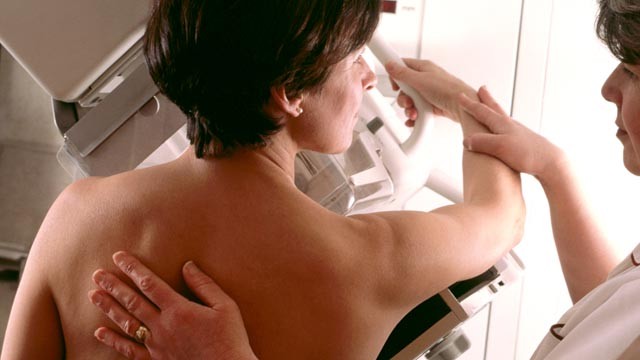
A Singapore-Dutch joint venture has launched a home test kit for cervical cancer to make the process more convenient and help women, particularly in Asia, overcome fear of the traditional pap smear.

Cervical cancer, with about 500,000 new cases and 250,000 deaths each year, is the second most common cancer among women after breast cancer, the World Health Organization says.

"We are still struggling with reaching out to women for cervical cancer screening in Asia," Singapore gynecological oncologist Tay Eng Hseon said at a media briefing on Monday, citing factors such as shyness, culture, fear and lack of time.

Delphi Bioscience Asia Pte Ltd is a collaboration between Delphi Bioscience BV, a life sciences company based in the Netherlands, and its Singapore partners Tay and businessman David Tan.

The Delphi screener, with a cylindrical shape and round tip, can be inserted to the top of the cervix by the user to collect cells with a sterile, saline liquid. This is then used to test for high-risk Human Papilloma Virus (HPV), which could cause cervical cancer.

In a pap smear, cells are scraped from the opening of the cervix with a speculum and then examined under a microscope.

The recommended retail price for the screener is S$79.90 ($63), including the laboratory test. This compares with S$30-40 for a pap smear in a clinic and more than S$100 for an HPV test, Tay said.

Delphi expects the screener to be available at about 100 family physician clinics in Singapore over the next three months and hopes to use the Southeast Asian city-state as a regional launchpad.

Tan, executive managing director (commercial) at Delphi Bioscience Asia, said its Indonesian distributor has committed to 1.5 million units over the next 12 months and Malaysia is next in the company's sights.

But China, the world's second-largest economy, poses significant regulatory hurdles, Tan said.

"China is not on our immediate radar for obvious reasons," he said. "Regulatory approvals take a long time and they are very complicated." ($1 = 1.2626 Singapore dollars)

(Reporting by Eveline Danubrata; Editing by John O'Callaghan)

© Thomson Reuters 2011

____________________________________________________________
Credit: Reports and photographs are property of owners of intellectual rights. 
Seniors World Chronicle, a not-for-profit, serves to chronicle and widen their reach.

January 4, 2012

CANADA: They're missing out on early Alzheimer’s diagnosis

TORONTO, Ontario / The Globe and Mail /Life / Health / January 4, 2012

By André Picard
Public health reporter

Jennifer Hall spends time with her husband Tom Hall , 61, as she does most afternoons, at Tyndall Nursing Home in Mississauga on Jan. 3, 2012. Peter Power/The Globe and Mail


When Tom Hall began locking his keys in the truck with maddening frequency and struggled to find the right words in conversation, the busy construction supervisor dismissed the problems as stress-related.
But when the symptoms persisted and he finally got around to seeing a neurologist, the news was grim: A diagnosis of Alzheimer’s disease. 
“That day, on the spot, they took away his driver’s license and he had to quit his job. It was quite a shock,” said his wife, Jennifer Hall.
“I really wish we had known earlier,” she added. “We could have got our life in order.”
Mary Schulz, national education director of the Alzheimer Society, said that early diagnosis is helpful on several levels. Drugs can slow symptoms of the degenerative brain illness, although they don’t work for everyone. More importantly, people with Alzheimer’s and their families can plan for future care – financially, legally and practically.
Yet a new survey shows that many Canadians who experience symptoms like memory loss, disorientation and personality changes – typical warning signs of dementia – wait a long time before seeking medical help.
The survey, commissioned by the Alzheimer Society, involved 958 Canadians caring for a loved one with dementia.
Click here for complete report

© Copyright 2012 The Globe and Mail Inc.
____________________________________________________________
Credit: Reports and photographs are property of owners of intellectual rights. 
Seniors World Chronicle, a not-for-profit, serves to chronicle and widen their reach.

December 13, 2011

USA: Most Older Adults Receive Cancer Screenings, Despite Recommendations to the Contrary

NEW YORK, NY / ABC News / Health / December 12, 2011

Despite marked advances in breast cancer screening and treatment, a new study suggests that older women may not be benefiting from these advances as much as younger patients. Getty Images


By Kim Carollo (@kimcarollo)

Most adults 75 and older undergo cancer screenings, even though the U.S. Preventive Services Task Force recommends against routine screening for certain cancers in that age group, according to a study published in Archives of Internal Medicine.

Researchers led by Keith Bellizzi, an assistant professor of human development and family studies at the University of Connecticut in Storrs, found that among 1,697 adults between the ages of 75 to 79, 57 percent were screened for colorectal cancer, 62 percent were screened for breast cancer and 56 were screened for prostate cancer. Adults older than 80 were screened less often -- 38 percent of the 2,376 adults in this age group received screening for cervical cancer and 50 percent were screened for breast cancer.

"What we found, generally, was that a high percentage of older adults are continuing to undergo cancer screening, despite ambiguity regarding recommendations," said Bellizzi. "We even see those rates as relatively high in adults 80 years or older."

Other factors correlated with screening were physician recommendations, education level and certain medical conditions. Older adults were more likely to get screened if their doctors recommended it, if they were college educated and, regarding prostate cancer screening, if they had other medical conditions.


Government Panel: No Need for Regular Prostate Exams

Bellizzi explained he and his colleagues wanted to get an idea of how many older Americans were still getting screened for cancer. The findings, he hopes, will lead to dialogue about what factors should be taken into account when making screening recommendations.

"The important question that is raised as a result of these findings is what are the factors physicians should consider in deciding to screen? he said. "And how do we decide whether to screen or not to screen?"

There have not been many studies evaluating how effective screening is in the older adult population. Most research has focused on younger adults, and recommendations are based on findings of these studies.

Age Just a Number When It Comes to Screening

Cancer experts say there are a number of variables to consider when recommending screening, and relying solely on a person's chronological age may not be the best way to determine whether screening is necessary. Life expectancy and current health status are also important.

"For breast cancer, colorectal cancer and cervical cancer -- the cancers for which screening has been proved to be effective -- if a person has less than five years to live, then screening is not beneficial," said Dr. Locovico Balducci, program leader of the Senior Adult Oncology Program at the Moffitt Cancer Center in Tampa, Fla. "But if it's longer and if a patient can tolerate cancer treatment, they shouldn't be denied screening."

But determining life expectancy can be tricky, and patients may also have very strong beliefs about the need for screening, so doctors will often still recommend screening tests.

"There's no crystal ball -- we don't know what life expectancy is for sure, and patients may be really concerned about cancer. Doctors and patients may still want screening to occur, and that's a tough thing to fight," said Dr. David Penson, professor of urologic surgery at Vanderbilt University Medical Center at Nashville.

Copyright © 2011 ABC News Internet Ventures.
____________________________________________________________
Credit: Reports and photographs are property of owners of intellectual rights.
Seniors World Chronicle, a not-for-profit, serves to chronicle and widen their reach.

November 15, 2011

USA: Doctors Paid for Heart Tests Order More Screening

NEW YORK, NY / The New York Times / Research / November 15, 2011

By Nicholas Bakalar


Doctors who earn money for cardiac stress testing are much more likely to prescribe the tests than those who don’t, a new study has found.

Researchers at Duke University studied data on 17,847 patients nationwide who had cardiac bypass surgery or coronary angioplasty, checking to see how often doctors prescribed nuclear stress tests and echocardiograms later than 90 days after discharge. Their results appeared Wednesday in The Journal of the American Medical Association.

Among doctors who billed for administering and interpreting a stress test, 12.6 percent prescribed the test, compared with 5 percent of those who were not paid for testing. Results for echocardiograms were similar: 2.8 percent of patients were tested by doctors who billed for both test and interpretation, and 0.4 percent by those who were paid for neither.


After controlling for the patient’s age and disease characteristics, the doctor’s specialty and other factors, researchers found that a patient of a doctor earning money from testing was more than twice as likely to be tested as a patient of a doctor without financial interest in the tests.

“If you’re having symptoms or a change in health status, testing is appropriate,” said Dr. Bimal R. Shah, the lead author of the analysis and a fellow in cardiology at Duke. “But in situations where there aren’t any clinical indications for tests, these reimbursement structures seem to be associated with increased testing use.”

© 2011 The New York Times Company
____________________________________________________________
Credit: Reports and photographs are property of owners of intellectual rights. 
Seniors World Chronicle, a not-for-profit, serves to chronicle and widen their reach.

October 2, 2011

SINGAPORE: Screening needy older people to detect key chronic ailments, cancers

SINGAPORE / The Straits Times / News / October 2, 2011

By Fiona Low

Singapore's Health Promotion Board (HPB) has launched a community screening programme aimed at detecting key chronic ailments and cancers for the needy elderly.

Not only will the screenings be made more accessible to seniors, it will also be more affordable - $2 to test for diabetes, high blood pressure, high cholesterol and obesity, compared to $30 at private clinics
The programme was kicked off at the Whampoa neighbourhood on Saturday, where 150 residents registered to be screened. Besides the chronic conditions, they can also be tested for three cancers - breast, cervical and colorectal. Screenings for breast and cervical cancer cost $30 and $10 respectively, while the test for colorectal cancer is free.


The Health Promotion Board (HPB) has launched a community screening programme aimed at detecting key chronic ailments and cancers for the needy elderly.
ST Photo Chew Seng Kim
 

Copyright © 2011 Singapore Press Holdings Ltd
__________________________________________________________
Credit: Reports and photographs are property of owners of intellectual rights.
Seniors World Chronicle, a not-for-profit, serves to chronicle and widen their reach.

June 11, 2011

USA: Questions over cascade of unnecessary, costly and risky heart disease tests

NEW YORK, NY / The New York Times / Health / June 11, 2011

The Health Consumer

Some Heart Disease Screens May Be Unnecessary

By Walecia Konrad

HEART disease remains the No. 1 cause of death in the United States, killing more than 800,000 people each year, and accounting for one in three of all deaths. It is no wonder, then, that screening for heart disease is a routine part of just about every physical exam given in this country.


The number of these tests has increased significantly over the last 20 to 30 years, and these days screening may involve any of a dozen procedures — some as simple as taking a patient’s blood pressure, some as complicated as CT angiography, an expensive, controversial test that may carry health risks.


But as important as screening is, excessive and inappropriate testing can lead to “a cascade of unnecessary, costly and in some cases risky follow-up tests and treatment,” said Dr. John Santa, director of the health ratings center at Consumer Reports Health. “Many people who are screened will show signs of heart disease but will never actually suffer from the disease or a heart attack.”


Dr. John Santa, of Consumer Reports Health, says some cardiac screening is unwarranted and costly. Fred R. Conrad/The New York Times


When do you need to be screened for heart disease? What tests are worth having? Here is some advice from experts.

Step 1: In the absence of risk factors, rely on basic, not high-tech, screening tests.

Cost: Insurance should cover the cost as part of your annual physical. There may be some additional lab fees for blood work.

Patients without obvious symptoms of heart disease routinely receive blood pressure and cholesterol tests. Experts say both are relatively simple, inexpensive and worth your time.

High blood pressure, or hypertension, is commonly associated with heart disease and can cause stroke, heart failure and heart attack. Fortunately, the so-called silent killer is readily detectable. A doctor or nurse puts the cuff around your arm and inflates it until blood flow is cut off. As the cuff deflates, the doctor records the points at which blood can be heard to begin flowing again (the systolic pressure) and as it fully resumes (the diastolic pressure).

Health Guide: Heart Disease
Monitoring blood pressure is both useful and inexpensive.
Fred R. Conrad/The New York Times


A normal reading for a healthy person is below 140/90 millimeters of mercury. Any abnormal reading should be confirmed at least three times, as single readings can be misleading. Some patients experience an increase in pressure simply because they’re in the doctor’s office — “white coat hypertension,” it’s called.

A cholesterol screening, also called a fasting lipoprotein profile, helps doctors find coronary artery disease, the most common type of heart disease, and other artery diseases. C.A.D. occurs when fatty deposits, or plaque, choke off the flow of blood in arteries supplying the heart, weakening the muscle and often causing chest pain.

A simple test tells doctors your blood levels of total cholesterol, LDL (or “bad” cholesterol), HDL (“good” cholesterol) and fats called triglycerides. The test indicates a possible risk for heart disease if:

¶ Total cholesterol is above 200 milligrams per deciliter.
¶ HDL is below 40 milligrams per deciliter in men, or 50 milligrams per deciliter in women.
¶ LDL is above 130 milligrams per deciliter.
¶ Triglycerides are above 150 milligrams per deciliter.

The American Heart Association recommends that adults over age 20 receive a blood pressure screening at every doctor’s visit or at least once every two years. Cholesterol screenings should be given once every five years to men under age 45 and women under age 50 who have no other risks for heart disease.

Avoid: Several studies have suggested that expensive tests for biomarkers that are sometimes indicative of heart disease — such as C-reactive protein, a sign of systemic inflammation — are not cost-effective in generally healthy patients. More sophisticated testing should be done only in patients with known heart risks.

Step 2: If you are overweight or obese, get an annual fasting blood sugar test.

Cost: The test usually is included in an annual physical, although you may pay a small fee for lab work. Free diabetes screening often is available at health fairs and community centers.

People with Type 2 diabetes are far more likely than those without to develop heart disease — indeed, it is what kills most adults with diabetes. Up to a third of heart attack patients have diabetes, and 25 percent of heart attack patients have high blood sugar levels.

The test measures levels of blood sugar, or glucose, which is the body’s fuel. A reading of 126 milligrams per deciliter or higher signals a problem. Again, you should undergo the test more than once to get an accurate reading.

While a blood sugar test may provide helpful information, there is controversy over the effectiveness of intensive measures to control heart risks in diabetic patients. Only statins, a type of prescription drug, have been shown consistently to be effective.

Step 3: If preliminary testing turns up signs of heart disease, or if you are experiencing symptoms or are at risk for other reasons, more sophisticated screening tests may be in order.

Cost: An electrocardiogram costs around $50 and a stress test costs about $200. Insurance often covers at least part of the fee.

If your doctor determines you are at risk of heart disease or you have a family history of heart disease, you may need to consider an electrocardiogram, or E.K.G., or an exercise stress test.

In an E.K.G., electrodes are attached to your chest, limbs and abdomen to ascertain your heart rate and its pattern, as well as the size and thickness of the heart walls. The electrodes can detect electrical signals of the heart through the skin, which are transcribed onto a graph. You can get results immediately.

A stress test measures the heart’s ability to function while exercising, usually while walking on a treadmill. Some signs of heart disease aren’t visible when your heart is at rest. During exercise you need more blood and oxygen; if your arteries are narrowed, it will be evident during the test.

Step 4: If evidence of heart disease is present, consider coronary angiography.

Cost: Just under $5,000, depending on where you live and your health care provider. At least part of the cost should be covered by insurance.

If the results of an E.K.G. or stress test are worrisome, or if you are having symptoms of heart disease, doctors may prescribe coronary angiography. In some cases, it may be warranted without a stress test first if the patient has a condition that could make the stress test too risky.

During the test, a flexible tube is threaded from the groin into the coronary arteries. A dye is also injected into the bloodstream, so that any blockages in the arteries can be detected on an X-ray. Physicians look for blood vessels that are 50 percent or more blocked.

Avoid: Some sophisticated, expensive heart disease screening tests may pose risks to the patient and may not be effective. For example, patients who receive CT angiography — in which multiple CT scans are used to produce a three-dimensional image of the heart — are exposed to amounts of radiation.

According to a study published last month in The Archives of Internal Medicine, patients at low risk of heart disease who got this test were more likely to be treated aggressively with invasive and potentially risky procedures, but in the end were not less likely to have a heart attack or other coronary problem. For more information on screening tools, visit Consumer Reports Health (consumerreportshealth.org) or the American Heart Association (heart.org).

© 2011 The New York Times Company

May 25, 2011

NETHERLANDS: Adults aged 55 to 75 will be tested for bowel cancer from 2013

AMSTERDAM / DutchNews / May 25, 2011

Bowel cancer screening for over 55s introduced from 2013

Adults aged 55 to 75 will be tested for bowel cancer from 2013 in a move which health minister Edith Schippers (photo on left) thinks will halve the death rate.

In total, 4.4 million people will be tested. The health council said in 2009 that testing should be carried out every two years. At the moment, some 5,000 people die of bowel cancer a year and 12,000 people are diagnosed with the disease. The earlier it is identified, the earlier it is to treat, the minister said.

Schippers’ predecessor Ab Klink had said screening could only be introduced from 2019 because of the shortage of doctors and the high cost.

© DutchNews.nl

May 9, 2011

USA: The Weakness That Wouldn't Go Away

.
NEW YORK / The New York Times / Magazine / May 8, 2011

DIAGNOSIS
The Weakness That Wouldn’t Go Away
By Lisa Sanders, M.D.

SYMPTOMS
A fiercely independent and active 76-year-old woman spent the past decade caring for her aged mother, who died at 99. Weeks after her mother’s death, the woman collapsed at home. She was found to have bleeding from a collection of abnormal blood vessels (known as AVMs, or arteriovenous malformations) in her colon. In the months after, the patient’s red-blood-cell count returned to normal, but she never regained her old energy and strength. She told her daughters that she was weaker and more tired than she had ever been in her life.

THE EXAM

Dr. Susan Wiskowski, a family physician in Hartford, was the woman’s doctor. Until recently, the patient was in good health for her age, with only a few medical problems: high blood pressure, which was controlled with one medication; hypothyroidism, treated with Synthroid; and cataracts, which had been surgically repaired. Now, out of the blue, she was experiencing rapid weight gain, swelling and weakness in her legs, which made it hard to walk.

Possible Diagnoses: Heart disease can manifest as weakness and fatigue, particularly in the elderly. The patient was referred to a cardiologist. An elevated white-blood-cell count was detected during the bleeding episode. She was sent to a hematologist.

RESULTS
The hematologist’s report was unrevealing. The cardiologist found no coronary-artery disease but noted a partly obstructed heart valve, which, though longstanding, might be contributing to the patient’s fatigue.

ANOTHER SYMPTOM
A couple of weeks after the cardiac work-up, the patient’s behavior became erratic and strange. Despite her complaints of weakness, she veered between bursts of activity — endlessly cleaning her house, giving large dinner parties — and days of isolation and fatigue. She was sometimes elated, telling her four daughters that she’d found where heaven was located. She began to talk about giving away her possessions. One afternoon she seemed completely out of control. A neighbor called 911, and the patient was rushed by ambulance to St. Francis Hospital in Hartford.

IN THE HOSPITAL
In the emergency room, doctors discovered an extensive hematoma on the patient’s right groin and leg, which developed after a cardiac catheterization she had as part of her work-up. She was admitted to the hospital.

A psychiatrist diagnosed hypomania and started the patient on several medications to stabilize her mood.

The patient complained of severe weakness, which made minor chores difficult. A neurologist performed nerve-conduction tests, which revealed damage in the region where the nerves meet the muscle. He suggested that the injury might be a postviral neuropathy, an unusual reaction to a recent infection. He told her it should improve with time. The specialist sent her to physical therapy, but the weakness persisted.

ADDITIONAL SYMPTOMS
Walking became extremely painful, and within weeks she needed a wheelchair to get around. Dark purple lesions appeared on the back of the patient’s hand and arms. A daughter took pictures of the lesions and showed them to the patient’s doctor. After seeing the images, Wiskowski recommended that she take her mother to the emergency room right away.

© 2011 The New York Times Company

May 3, 2011

UK: Breaking the silence of ovarian cancer

EDINBURGH / The Scotsman / Health Info / May 3, 2011

By Maria Croce

The symptoms of ovarian cancer are so difficult to spot that it's called the silent killer.

But Fiona Downie, who saw her mother die from the disease, has become one of the first women in Scotland to take a new blood test which could lead to early diagnosis and help save many lives

AS FIONA Downie sets to work sewing a beautiful wedding gown for a friend, she's proud that she's inherited her design skills from her mum. Fiona loves looking at a photo in her dining room of her mum Wendy looking radiant on her own wedding day in 1979, wearing a pretty, high-necked column dress she designed and made herself. The dress still hangs in her mum's wardrobe, at the family home in Glasgow she shared with husband Craig, now 71, a retired businessman.

Fiona Downie, who took the new OvPlex test.
The results were negative. Picture: Julie Bull

"I looked at her dress recently, and it's made so perfectly," says Fiona, an Edinburgh advertising account executive. "I did a degree in fashion design at Edinburgh College of Art but still will never be as good or as creative as her.


"Well… hopefully one day. But it feels nice to know I got my skills from her and we have those things in common. She always used to say she wasn't really good at anything, but she was one of those annoying people who are brilliant at everything."

Her mum passed on her design flair and also her pretty brown eyes to her youngest daughter. But sadly she won't ever get to see Fiona walk down the aisle, or become a mum herself, as Wendy died of ovarian cancer in November, aged just 61.

To continue reading, click here

©2011 Johnston Press Digital Publishing

October 13, 2010

USA: Physician Revives a Dying Art: The Physical

.
NEW YORK, NY / The New York Times / Health / October 13, 2010

Scientist at Work / Dr. Abraham Verghese
Physician Revives a Dying Art: The Physical

By DENISE GRADY

STANFORD, California. —

For a 55-year-old man with a bad back and a bum knee from too much tennis, Dr. Abraham Verghese was amazingly limber as he showed a roomful of doctors-in-training a twisting, dancelike walk he had spied in the hospital corridor the day before.


TEACHING AND TREATING At Stanford University, Dr. Abraham Verghese is on a mission to bring back something he considers a lost art: the physical exam. Thor Swift for The New York Times

He challenged them to diagnose it. Hemiplegia? Sensory ataxia? Chorea? Spastic diplegia?

“It would be a shame to have someone with a gait that’s diagnostic, and yet we can’t recognize it,” he said.

It was their introduction to a rollicking workshop on abnormal gaits that soon had them shuffling, staggering and thrashing about, challenging one another. Parkinson’s? Neuropathy? Stroke?

Dr. Verghese (ver-GEESE) is the senior associate chairman for the theory and practice of medicine at Stanford University. He is also the author of two highly acclaimed memoirs, “My Own Country” and “The Tennis Partner,” and a novel, “Cutting for Stone,” which is now a best seller.

At Stanford, he is on a mission to bring back something he considers a lost art: the physical exam. The old-fashioned touching, looking and listening — the once prized, almost magical skills of the doctor who missed nothing and could swiftly diagnose a peculiar walk, sluggish thyroid or leaky heart valve using just keen eyes, practiced hands and a stethoscope.


IN HIS ELEMENT
Dr. Verghese teaches a technique for diagnosing cerebellar disorders.
Thor Swift for The New York Times

Art and medicine may seem disparate worlds, but Dr. Verghese insists that for him they are one. Doctors and writers are both collectors of stories, and he says his two careers have the same joy and the same prerequisite: “infinite curiosity about other people.” He cannot help secretly diagnosing ailments in strangers, or wondering about the lives his patients lead outside the hospital.

“People are endlessly mysterious,” he said in an interview in his office at the medical school, where volumes of poetry share the bookshelves with medical texts, family photos and a collection of reflex hammers.

His sources of inspiration include W. Somerset Maugham and Harrison’s Principles of Internal Medicine. In addition to his medical degree, he has one from the writing workshop at the University of Iowa.

He is out to save the physical exam because it seems to be wasting away, he says, in an era of CT, ultrasound, M.R.I., countless lab tests and doctor visits that whip by like speed dates. Who has not felt slighted by a stethoscope applied through the shirt, or a millisecond peek into the throat?

Some doctors would gladly let the exam go, claiming that much of it has been rendered obsolete by technology and that there are better ways to spend their time with patients. Some admit they do the exam almost as a token gesture, only because patients expect it.

Medical schools in the United States have let the exam slide, Dr. Verghese says, noting that over time he has encountered more and more interns and residents who do not know how to test a patient’s reflexes or palpate a spleen. He likes to joke that a person could show up at the hospital with a finger missing, and doctors would insist on an M.R.I., a CT scan and an orthopedic consult to confirm it.

Dr. Verghese trained before M.R.I. or CT existed, in Ethiopia and India, where fancy equipment was scarce and good examination skills were a matter of necessity and pride. He still believes a thorough exam can yield vital information and help doctors figure out which tests to order and which to skip — surely a worthwhile goal as the United States struggles to control health care costs, he said.

A proper exam also earns trust, he said, and serves as a ritual that transforms two strangers into doctor and patient.

“Patients know in a heartbeat if they’re getting a clumsy exam,” he said.

He has lectured and written about the erosion of examination skills, and his ideas have resonated with many doctors.

Stanford recruited him in 2007, in large part because of his enthusiasm for teaching the exam. He seized the bully pulpit.

“Coming from here, it’s taken more seriously,” he said.

With colleagues, he developed the Stanford 25, a list of techniques that every doctor should know, like how to listen to the heart or look at blood vessels at the back of the eye. The 25 are not the only exams or even the most important ones, he emphasizes — just a place to start.

Medical School, Interrupted

At times, Dr. Verghese said, he feels almost embarrassed by all the interest in his work, because the exam techniques he is teaching are nothing more than the same ones he learned in Ethiopia and India decades ago.

Two days a week he hides out to write, in a secret office that was part of the deal he made when Stanford recruited him. His name is not even on the door; he left the names of the previous occupants. There is no land line.

Like Dr. Marion Stone, the main character in “Cutting for Stone,” Dr. Verghese was born in Ethiopia. His parents were teachers from Kerala, a Christian region in southern India. His mother had newspaper articles published there about life in Ethiopia. The family’s expectations were high.

“You were a doctor, engineer, lawyer or a failure,” Dr. Verghese said. He was always drawn to literature, but never imagined he could make living at it.

He left Ethiopia at 15 for two years of premedical studies in Madras, India, and then returned to Addis Ababa for medical school. By then his parents, worried about Ethiopia’s stability, had moved to the United States. But he had no desire to leave.

“I loved that land,” he recalled.

The medical training was rigorous. Students spent a year dissecting a cadaver, and then had to pass grueling essay exams.

“It was almost brutal,” he said. “But it left us changed in some fundamental way, like formatting a disk.”

Medical students in the United States today spend far less time studying anatomy — too little to learn it well, he said, shaking his head.

Civil war broke out in Ethiopia in 1974. Emperor Haile Selassie was deposed, and the military took over. During Dr. Verghese’s third year of medical school, the university was shut down. Soldiers were everywhere. A curfew was imposed, and troops patrolled at night in jeeps with mounted machine guns. Corpses lay in the streets. As a citizen of India, he was a foreigner, and it was time to get out. He joined his parents in Westfield, N.J.

America excited him. But he was a young man used to being on his own, thrust back into a small house with his parents, who urged him to finish his medical studies. He would have to start from scratch, earning a bachelor’s degree and then applying to medical schools, even though he already had more than two years of medical training.

He took a night job as a hospital orderly. He liked earning a paycheck, and he bought a used car, hung out with nurses and orderlies, and dated an American girl.

“I could see my blue-collar life starting to unfold,” he said. “I’d marry a Jersey girl, we’d live in an apartment someplace and take vacations in the Poconos when we could afford it.”

He lost his way during that period, he says, and it made him the black sheep of the family.

A Passionate Return to Training

Then one night at work he had an epiphany. He picked up a book that a medical student had left behind, the Harrison textbook. It’s a medical school classic, the same book he had studied in Ethiopia. He realized how much he had already invested in medicine, and what he would be throwing away if he did not resume his training. He finished medical school in India, and then did his residency in the United States, specializing in internal medicine and infectious disease.

He worked in Tennessee during the early days of the AIDS epidemic, before there were any effective treatments. Before AIDS, he said: “I must have been a conceited ass, full of knowledge. AIDS humbled a whole generation.”

He came to know many of his patients and their families. He visited their homes, attended their deaths and their funerals. One patient, near death, awoke when Dr. Verghese arrived, and opened his shirt to be examined one last time.

“It was like an offering,” Dr. Verghese said, with tears in his eyes. “To preside over the bed of a dying man in his last few hours. I listen, I thump, I don’t even know what I’m listening for. But doing it says: ‘I will never leave you. I will not let you die in pain or alone.’ There’s not a test you can offer that does that.”

His long hours and intense involvement with his patients led to his first book, “My Own Country,” but also drained him and contributed to the failure of his first marriage. Still, it was not a mistake to get so close, he insists.

“I’ve never bought this idea of taking a therapeutic distance,” he said. “If I see a student or house staff cry, I take great faith in that. That’s a great person, they’re going to be a great doctor.”

He met his present wife, Sylvia, in El Paso, where she had started a ministry to help people with AIDS. Their son, Tristan, is 12. Dr. Verghese also has two grown sons, Jacob and Steven, from his first marriage.

The Next Generation

Making hospital rounds with students, Dr. Verghese is in his element. He is impeccably dressed under the white coat, in a crisp dress shirt, pale silk tie and sharply pressed pants. His hair has made its retreat, and what remains is trimmed too close to hide the hearing aids that he has reluctantly begun to wear. He loves being in the wards, he says. It is the only place where his back does not ache.

On a morning in August, he peppered four students with rapid-fire questions, mini-lectures on science and the history of medicine, pointers on presenting cases, and jokes that made them roll their eyes or laugh, or both.

“What can alcohol do to the nervous system?” he asked. Damage the cerebellum, said one. Cause seizures, said another. “Come on, I want 10,” Dr. Verghese said, insistent but not bullying.

“What’s the most important part of the stethoscope?” They stared at him. “The part between the earpieces.” They moaned.

Striding down the corridor, he told them about an unusual condition that produces silver-colored stools.

“You’ll be so impressed you’ll want to take them home,” he said.

With a group of third-year medical students, he waited until they had taken their places around a patient’s bed, then asked them to turn their backs and look away.

What had they noticed on the bedside table? A lunch tray? A book? Clues to whether the patient could eat, whether he was alert? Did he look comfortable? Or did he seem to be in pain?

“What if the patient says, ‘Whatever you do, Doc, don’t bump the bed’?” Dr. Verghese asked, bumping the bed with his hip. “Consider peritonitis.”

The patient, a man in his 80s, grinned, enjoying the show, and seemed pleased to let the students practice palpating his spleen and percussing his lungs.

“Name five things that are better outside the body than in,” he asked, not mentioning that the answer appears in his novel: fluids, fetuses, foreign bodies, feces and flatus.

As they headed to the next room, Dr. Verghese told the students: “We’re going to walk these corridors and I’m going to ask you if you notice anything unusual. I’m going to ask you about someone I see along the way. Peek into patients’ rooms as you go by.”

They gathered around the next patient, leaning in close as Dr. Verghese pointed out signs of facial weakness — inability to raise the eyebrows, a lip that rose more on one side than the other when Dr. Verghese asked to see the patient’s teeth, one eye that blinked more often than the other.

In the corridor, he said, “Here’s your question: What about the lady in the next bed?”

As she had watched them walk by, only one of her eyes had moved. Just a few of the students had noticed.

“You can’t show up at the bedside and then turn on your skills,” he said. “You have to keep your game sharp all the time.”

Outside another patient’s room, he had a group of interns and residents palpating their own thighs as he showed them a technique for finding the right place to stick the needle when culturing an abscess.

“Wow!” said one of the group, whose needle had recently missed its mark. “Amazing. This is great.”

Dr. Verghese smiled. “I am here to astound you,” he said.


  • Copyright 2010 The New York Times Company
  • September 1, 2010

    THAILAND: Self-care system to make diagnosis easier for diabetes patients

    .
    BANGKOK, Thailand / The Nation / National News / September 1, 2010

    Diabetes patients in Thailand will soon be able to take care of themselves effectively thanks to a high-tech interactive multi-modality system.

    In a move to cope with a shortage of physicians, researchers at the National Electronics and Computer Technology Centre (Nectec) have integrated different communication channels to educate patients on self-care and help make diagnosis and follow up treatment quicker and easier for doctors, Nectec chief Pansak Siriruchatapong said.

    Dr Wiroj Jiamjarasrangsi, assistant dean of Medicine at Chulalongkorn University, said the technology would be available for diabetes patients treated at Chulalongkorn Hospital this month.

    Pansak said the system would be available via the Internet, e-mail, CDs or online chats, and patients would be given pointers on their eating habits and exercise.

    "After patients answer health questions, physicians will immediately analyse their condition and contact them if there are any complications, such as wounds on the patient's feet."

    He said the technology would be linked to the hospital's database making analysis of patient's conditions quicker. The system could also be applied to patients suffering other chronic diseases such as hypertension, pulmonary emphysema and asthma.

    (c) 2007 www.nationmultimedia.com Thailand

    Seniors World Chronicle
    Brings you a wide selection of
    News reports and features on Aging.
    Visit our home page.
    Send us a token of your support!

    June 11, 2010

    USA: Supplements for depression: What works, what doesn't

    .
    ATLANTA, Georgia / CNN International / Health / June 11, 2010

    By Ray Hainer, Health.com

    . Claims made by supplement manufacturers often aren't backed up by scientific evidence
    . Some supplements may improve your symptoms if you experience mild depression
    . Serious depression generally requires professional help

    The multibillion-dollar market for dietary supplements is filled with products that claim to boost mood or improve depression. Some products are even billed as an alternative to prescription antidepressants.

    Don't believe everything you read on a label. Often the claims made by supplement manufacturers aren't backed up by solid scientific evidence, and the potency and contents of supplements can vary widely. (Some are anything but "natural.") Serious depression generally requires professional help, whether or not that includes antidepressant medication.

    EPA and DHA, essential to brain function and cardiovascular health, are the main ingredients in fish oil.

    That said, some supplements -- such as St. John's wort and SAMe (pronounced "sammy") -- have been tested fairly extensively and may improve your symptoms if you experience mild depression or related conditions such as seasonal affective disorder.

    Below, we break down the evidence (or lack thereof) supporting the most popular supplements used to treat depression and mood.

    Folic acid

    What it is: The synthetic form of folate, a B vitamin (B9) found in fruits, leafy vegetables, and other foods, that affects the neurotransmitters known as monoamines. Folic acid is sold in stores as a capsule or tablet.

    The evidence: Folate deficiency is common among depressed people, especially those who don't respond to antidepressants. Folic acid has never been tested as a stand-alone treatment for depression, but it has been compared with placebo as an addition to Prozac. In one study, patients who received folic acid responded better than those who received placebo -- but only the female patients. Nearly 95 percent of the women who received folic acid responded to the combo treatment, compared to about 60 percent of the women who received the placebo.

    Other forms of folate that are more chemically complex have been tested on their own. In one early '90s study involving elderly depressed patients, a type of folate known as 5-methyltetrahydrofolate (5-MTHF) was found to be roughly as effective as the antidepressant trazodone.

    The bottom line: The evidence for the use of folic acid in depression is limited and inconclusive. (The Natural Standard Research Collaboration, an independent research group, has given the evidence a "C" grade.) 5-MTHF and a related form of folate called L-methylfolate -- which is available as the "prescription medical food" Deplin -- may be helpful as an addition to antidepressants, but you should be wary of nonprescription products that list 5-MTHF, L-methylfolate, or "optimized folate" as the main ingredient.

    GABA

    What it is: Gamma-aminobutyric acid (GABA), a neurotransmitter involved in inhibition and stress relief. GABA is sold as a capsule, pill, or powder.

    The evidence: Low GABA levels have been linked to depression and anxiety. Although supplement makers claim on their labels that GABA provides "Positive Mood Support" and "Supports a Calm Mood," there is no evidence that GABA supplements have an effect on depressive symptoms; no studies have been conducted in humans to date.

    Health.com: Heart trouble? 30 herbal remedies to avoid

    The evidence for its use in anxiety isn't much stronger. A pair of small studies conducted by a maker of GABA supplements in Japan reported that GABA did have an anti-anxiety effect. In the first study, the researchers found that taking GABA had a relaxing effect on brain waves. In the second, people afraid of heights were asked to walk across a narrow pedestrian bridge after taking GABA or a placebo. The participants who took GABA had lower levels of anxiety (as measured by a stress marker in saliva samples).

    The bottom line: A connection between naturally occurring GABA and depression and anxiety has been established. Although prescription medications such as Depakote (an anticonvulsant used to treat bipolar disorder) and benzodiazepines (used to treat anxiety) affect GABA levels, there is very little evidence that commercial GABA supplements impact mood in the same manner.

    Inositol

    What it is: An organic, glucose-like compound that facilitates the transmission of serotonin and other neurotransmitters. People ingest about 1 gram of inositol a day from fruits and vegetables, whole grains, meat, and other foods, and it is also sold as a capsule and powder.

    The evidence: The brains of people with depression and bipolar disorder have been shown to have below-average levels of inositol, which prompted researchers to investigate whether inositol supplements could help treat depression.

    Health.com: No-cost ways to fight depression

    The initial research was promising. A small study published in 1995 found that taking 12 grams of inositol a day -- an amount equivalent to a fistful of the capsules sold in health stores -- improved depression symptoms more effectively than placebo. Surprisingly, no one has ever tried to replicate this success. Instead, researchers have studied whether inositol enhances the effects of antidepressants or mood stabilizers -- and those studies found no differences between inositol and placebo.

    The bottom line: Inositol's effectiveness has not been proven. Future research may yet reveal uses for the compound, but in the meantime experts caution against using it as a supplement for depression.

    Omega-3s

    What it is: The polyunsaturated fatty acids eicosapentaenoic acid (EPA) and docosahexaenoic acid (DHA), which are essential to brain function and cardiovascular health. Combined in roughly equal amounts, EPA and DHA are the main ingredients in fish oil, but they are also sold in formulas that include more of one than the other.

    Health.com: Foods to boost your mind

    The evidence: A link between omega-3 consumption and mood is supported by two main sources of evidence: People with depression have been shown to have lower levels of omega-3 fatty acids, and countries that eat a lot of fish per capita (such as Japan) have lower rates of depression.

    The research on omega-3 supplements is mixed, however. In several controlled trials, EPA, DHA, or a combination of the two have been shown to improve the symptoms of depression and bipolar disorder better than placebo -- but in nearly all of those studies, the omega-3s were added to antidepressant medications or mood stabilizers, so it's unclear whether omega-3s had an independent effect. And in a recent study published in the Journal of the American Medical Association (JAMA), omega-3s plus Zoloft fared no better than placebo plus Zoloft.

    The two studies that have used omega-3s on their own for depression have also generated mixed results. One found that 2 grams a day of DHA for six weeks was no better than placebo; the other -- which was conducted in children ages 6 to 12 -- found that a combination of EPA and DHA did outperform placebo.

    Health.com: Supplements for high cholesterol -- What works?

    The bottom line: Although some of the research on omega-3s and mood disorders is encouraging, it remains unclear just how effective omega-3s are, and what formulation and combination of treatments are most beneficial. But omega-3s have few side effects and have cardiovascular and other health benefits, so they may be worth a try (after consulting your doctor first).

    Saffron

    What it is: A spice, made from the dried stigmas of crocus plants, that is used in cooking and also in traditional Persian medicine to treat symptoms of depression (among other conditions). Although they can be found online, saffron supplements are not widely available.

    The evidence: Little research has been conducted on saffron's effect on mood. But in a series of small controlled trials conducted in Iran in recent years, the spice has performed surprisingly well in treating mild to moderate depression. Delivered in 30-milligram doses a day, saffron has outperformed placebo and has demonstrated an antidepressant effect comparable to Prozac and imipramine (an older tricyclic antidepressant), at least in the short term.

    The bottom line: Although more research is needed, saffron appears to be a promising treatment for milder cases of depression. That said, using the world's most expensive spice as a dietary supplement seems impractical and pricey.

    SAMe

    What it is: S-adenosylmethionine (SAMe), a naturally occurring compound that affects neurotransmitters, including serotonin and dopamine. In the United States, SAMe has been sold over-the-counter as a tablet since 1998.

    The evidence: As with most of the substances on this list, lower levels of SAMe have been associated with depression. In studies, SAMe has been shown to be roughly as effective as tricyclic medications (an older generation of prescription antidepressants). But in many of those studies, the SAMe was injected, and it's unclear whether orally ingested SAMe capsules have the same effect.

    A 2002 review of the research on SAMe and depression conducted by the federal Agency for Healthcare Research and Quality concluded that SAMe was more effective than placebo at relieving the symptoms of depression and no better or worse than tricyclics. The report noted that more research on oral forms of the compound and research comparing SAMe to newer antidepressants (such as SSRIs) was needed.

    Health.com: 7 types of therapy that can help depression

    The bottom line: SAMe has proven to be useful for the treatment of depression, but questions about its overall effectiveness and delivery methods remain. SAMe does have some side effects. Most notably, it can exacerbate mania or hypomania in people with bipolar disorder, so you should not take SAMe without consulting a physician.

    St. John's wort

    What it is: A yellow-flowered plant, Hypericum perforatum, that has been used for medical purposes since antiquity and as an alternative treatment for depression for decades. St. John's wort is available as a capsule, tea, or liquid extract.

    The evidence: St. John's wort is by far the most studied alternative remedy for depression, and for the most part the results have been favorable. In studies involving people with mild to moderate depression, St. John's wort has consistently outperformed placebo, and it has held its own against prescription antidepressants. It has been shown to be similarly effective -- and in a few cases, more effective -- than fluoxetine (Prozac), imipramine, and Celexa.

    The effectiveness of St. John's wort in more severe cases of depression has been questioned, however. A highly publicized study of people with "moderately severe" depression published in JAMA in 2002 found that neither St. John's wort nor sertraline (Zoloft) were significantly more effective than a placebo. Due to this and other trials, it is generally recommended only for milder cases of depression.

    The bottom line: For mild -- but only mild -- cases of depression, its effectiveness may rival that of antidepressants. (The Natural Standard Research Collaboration has given the evidence supporting its use for mild depression an "A"; for severe depression, a "D".) St. John's wort generally has few side effects, but it can interact with other drugs, so -- as with any supplement -- check with your doctor before trying it.

    Tryptophan

    What it is: An amino acid -- most famous for being found in Thanksgiving turkey -- that helps produce serotonin, the neurotransmitter targeted by drugs such as Prozac (SSRIs). It is sold over-the-counter in capsule form as L-tryptophan and 5-HTP, which represent different stages in the serotonin production process.

    The evidence: Studies have shown a connection between tryptophan depletion and depressive symptoms (especially in women), but the evidence for the use of tryptophan supplements is thin. A 2004 review of tryptophan studies that examined more than 100 trials found only two that were of high quality and did not include other supplements. Tryptophan did outperform placebo in those studies, but the studies were small.

    There are some concerns about the safety of tryptophan supplements, which have been found to contain impurities and contaminants. In 1990, the U.S. Food and Drug Administration (FDA) temporarily pulled all L-tryptophan products off the market after more than 1,500 people who took L-tryptophan supplements developed a blood disorder called eosinophilia myalgia syndrome. Ultimately, more than two dozen people died.

    The bottom line: The overall evidence is inconclusive and safety concerns persist, although the authors of the 2004 review did note that tryptophan could play a role in patients with mild cases of depression who can't (or don't want to) take antidepressant drugs.

    Copyright Health Magazine 2010

    © 2010 Cable News Network

    January 30, 2010

    EMIRATES: GE Healthcare in largest medical diagnostic, healthcare service jv

    . DUBAI, United Arab Emirates / Zawya.com / Business / Healthcare / January 30, 2010 Strategic alliance will design, develop and implement a regional platform for the delivery of healthcare services Initial focus on Egypt and Saudi Arabia, followed by a greater regional expansion GE Healthcare, the healthcare business subsidiary of General Electric Company (GE)General Electric Company (GE), has signed a strategic alliance agreement with Gulf Capital, one of the largest private equity firms in the Gulf, to develop the largest regional chain of medical diagnostic and healthcare service centers. GE Healthcare will offer strategic support to Gulf Capital's healthcare portfolio company investments, and the two companies will collaborate closely to roll out and grow these investments into regional platforms offering world-class services.[rc] Click here for full story Copyright © 2010 ABQ Zawya Ltd.

    January 17, 2010

    USA: How Keeping Medical Records Promotes Healthy Aging

    . MONEE, Illinois / Womenover40Health.com / January 17, 2010 By Marlene Griffin, Womenover40health.com Most people wander through life taking notes from observing others, yet they fail to take notes to save their health as they age. Medical records are kept by doctors for years, and these men and women do this to keep track of your health. If the doctor cares enough to take care of your health, why shouldn’t you? How to keep records: You will need a journal. In the journal, you want to record dates, time, place, etc of your hospital stay. If possible jot down the diagnostics and doctors who served you, write their names in the journal. You want to record your family’s medical history. Jot down each person in your family tree and name the diagnose. For instance, if your family has a history of diabetes, jot it down. On pen and paper, jot down any information that will help your doctor monitor your health and make accurate diagnosis in the event illness occurs. Do not rely on your memory. In time, you may not have memory, since your family may have a history of Alzheimer’s disease. When you use medical records, keeping them on paper, make copies. Put the copies in safe hands, someone you can rely on, as you grow older to give the copies to you in the event you lose your copies. Put all your copies in a safe area. You want to keep records of vaccine shots, or immunizations. You want to keep records of lab visits, results, conditions, and treatments you obtained. The records should be updated annually. For instance, if in 2000, you were diagnosed with a disease that caused your liver to shrink, but the disease was curable, write it down. The next year if you notice in similar symptoms, record the new information in your journal. You want to give copies to your doctor as needed. Once you write your medical journal you can move to research illnesses you might have had at one time. For instance, if in your history you had a repetition visit of colds, learn more about the upper respiratory system. If you had other illnesses throughout your life, take time to study these illnesses. Understanding the illness moves to acceptance, which moves you to prevention? Prevention is the keyword you want to focus on when it comes to your health. As you age, your body’s functions start to decline its actions, which puts you at high risk of disease. Using your records you want to study illnesses, you may have had throughout your lifetime. In addition, use your records to study genetic disease. For instance, if you have family history of diabetes, research the subject. Take notes on diagnostics, treatments, cures, and so on. If you follow this friendly advice, as you start to age you will have advantages. For instance, in the future, if you are diagnosed with diabetes you would knowledge. The first thing you will note is symptoms. You would know that the symptoms include prolonged hunger feelings, fatigue, dizziness, etc. You would take notes on symptoms that emerge when you feel sick and immediately contact your family doctor. You are at the doctor’s office now taking lab tests and so forth to find out what is wrong with your body. Once you leave the doctor’s office with your results you will feel relaxed, since you know that catching diabetes at an early stage gives a doctor the opportunity to slow or cure the mother of all living diseases. This silent tormentor is a notorious killer that everyone should understand. To learn more about healthy aging, seek more information online, at your doctor, or visit your local library. [rc] Marlene Griffin @ Marlene Griffin

    January 4, 2010

    UK: Philips tests ‘Big Brother’ health checks

    . LONDON, England / The Times / Business / Health / January 4, 2010 By Carl Mortished, World Business Editor The scope of a new global healthcare market worth billions of pounds is being tested by Philips, the electronics group, in the UK with the world’s biggest trial of distance monitoring of chronically ill patients in their homes. The Dutch company is hoping to prove to the NHS that it can stem the mounting financial burden of institutional care by using high-tech diagnostic equipment linked by the internet. Patients in Newham, a deprived East London borough, are being monitored at home using diagnostic equipment linked via broadband internet connections to local hospitals and clinics. The Newham patients are able to test their own blood pressure or blood oxygen level and send the data in an electronic message to staff at the Primary Health Trust. Newham resident Amy Domeney holds a Telecare pendant. The device could save the NHS millions by allowing those with chronic health conditions to be monitored at home. Further trials are under way in Cornwall and Kent, as the Department of Health (DoH) targets technology efficiencies that could save the NHS hundreds of millions of pounds. The system, known as Telehealth or Telecare, is a potential goldmine for medical technology companies, such as Philips. As governments worldwide prune their healthcare budgets, the Dutch group is broadening its business reach from sophisticated diagnostic scanners costing millions of pounds to more basic equipment that, when used in conjunction with the internet, can help governments to slow the rise in healthcare bills. According to the DoH, 14.5 million people in Britain have long-term conditions requiring monitoring. The “whole system demonstrator” will assess the cost-benefit of monitoring patients with chronic conditions in their own homes rather than in long-stay care establishments and hospital outpatient departments. A DoH spokesman said that the technology was not intended to replace hospitals and care homes but to make better use of resources. Savings from Telehealth are still unknown, but a study of local authority use of residential care has revealed a potential goldmine. The spokesman said: “£500 million can be taken from current spend on residential care across the country to deliver more support for people in their own homes. “It enables people to live independently in their homes and it is more cost-effective. It reduces the burden on the system and frees up resources.” According to Malcolm Hart, who is in charge of Philips’ medical business in Britain, the key saving for the NHS from use of the Philips system at a cost of £80 a month will be in reducing hospital visits by people with long-term illness. Mr Hart said: “What we are trying to do is to avoid readmissions and trips to Accident & Emergency. If a patient is readmitted to hospital it costs about £2,000. “With the recession, there is a shortage of cash. We need to find a solution to the growing demands on the system. We need to do things differently, and technology has a role to play.” Newham, which has Britain’s highest death rate from stroke and the highest diabetes rate, suffers a big financial burden in providing long-term healthcare for more than 17 per cent of its population, the DoH says. Some 400 patients are being monitored in Newham. Each is provided with diagnostic equipment, such as an SPO2 meter for blood oxygen, which clips on the patient’s finger. The meter is attached to a set-top box linked to the patient’s television. The readings are sent to healthcare staff of the Primary Health Trust, who contact the patient if the readings cause concern. The Newham trial includes patients with diabetes, heart disease or breathing problems, known as chronic obstructive pulmonary disorder, a condition affecting a million Britons. The trial will also use sensors installed in homes to monitor elderly people suffering from dementia, or individuals with Down’s syndrome who may be at risk of injury. The DoH is sensitive to the “Big Brother” issue involved in installing surveillance equipment in homes. “These are monitoring devices and there are issues of privacy,” said a spokesman. If the trial is successful, Philips hopes that it will lead to much wider use of its technology by healthcare organisations. Self-diagnostic systems could be used, Mr Hart says, not only to monitor illness but to check general wellbeing. Philips recently acquired Respironics, a US provider of equipment that treats sleep apnea, a respiratory ailment linked to obesity. Philips is targeting companies in America with a new product, DirectLife, which provides each employee with a keyfob that records physical activity. The employee can then create a programme to improve fitness. [rc] Copyright 2010 Times Newspapers Ltd.

    December 29, 2009

    UK: My heart stopped 20 times

    . LONDON, England / Daily Express / Your Health / December 29, 2009 By Christine Feildhouse Wendy Davis jumped at the chance to try a new gadget that might discover why she was constantly blacking out. Not only was the 28-year-old keen to know what was causing the random attacks, she thought it would mean avoiding a long waiting list. The device is called a Sleuth implantable loop recorder, or ILR. Slightly larger than a £2 coin, it is placed under the skin in the chest and records heart rate and rhythm. A HIGH-tech device that is implanted under the skin and relays information to an American HQ is diagnosing heart problems faster than ever. By monitoring her heart activity over a long period experts would be able to see what was happening when Wendy lost consciousness. Using the latest Bluetooth technology it would relay information to a centre in New Jersey, America, where clinicians were on hand to ensure she was diagnosed quickly and efficiently. Wendy’s problems started in early November 2008 while she was preparing dinner for herself and her husband James, 37, at their home in Eastbourne, East Sussex. “I felt really dizzy and before I could sit down I fell to the floor. I came round and didn’t think much of it. Then it happened a few days later when I was out shopping.” After fainting for a third time Wendy went to her GP. Blood tests ruled out anaemia and the blackouts continued. “It was happening more and more regularly, at least two or three times a week,” recalls the account manager. Wendy was referred to a neurologist at Eastbourne General Hospital. When he gave her a clean bill of health she was put on the list to see a cardiologist. Her appointment was for January this year but a few weeks beforehand she was asked if she would go in early to discuss a trial programme. “They were looking for patients to test a new ILR,” she says. “James and I both decided I should go ahead to get a quick diagnosis. We were aware of the risks of trying something new but the alternative was going on the waiting list to see a cardiologist, then having traditional tests such as an ECG (electrocardiogram).” However there was no guarantee her problem would show up with conventional tests as her blackouts weren’t happening at regular intervals. “I might be linked to an ECG but if I didn’t have an attack while it was on, doctors would be none the wiser,” she says. The ILR records the activity of the heart and is used to diagnose patients with symptoms such as dizziness, palpitations or loss of consciousness, which are often the sign of an abnormal heart rhythm. This latest model can be left in place for at least two years. It is removed once the doctor has enough information to make a diagnosis. Wendy had the 45-minute operation to insert the ILR at Eastbourne Hospital in early December 2008. Under local anaesthetic, the ILR was fitted just above her left breast. Her scar was a little over one centimetre long. “I could feel the ILR under my skin,” she says. “It worked with a little box – a bit like an iPod – which I had to carry everywhere with me. As soon as I had an attack, I had to press a green button. Everyone – James, my family, work colleagues – knew about this in case I didn’t have time to use the activator and they had to do it for me. Every night the information was downloaded from my ILR through to a hospital in America.” In the next month Wendy experienced more than 20 blackouts, each one longer than the last. “James was worried,” she says. “He’d get home from work and find me unconscious. There were times when he thought I had died. Towards the end of the ILR investigations I was blacking out for 30 minutes at a time. I was taken to hospital three times by ambulance.” After a month the ILR had collected enough information. Her cardiologist Dr Neil Sulke said results showed she was fainting because of sinus arrests, which meant her heart was slowing down and stopping temporarily. On one occasion it stopped for 30 seconds. She returned to hospital to have the ILR removed and an on-demand pacemaker fitted. Now when her heart slows down the pacemaker kicks in before the heart has a chance to stop. “I haven’t blacked out since getting the pacemaker,” says Wendy, who also wears a MedicAlert Emblem bracelet to let people know she has a pacemaker fitted. Dr Sulke says the ILR takes on average 62 days to diagnose a problem. “It is in effect a constant ECG because it is on all the time,” he says. “It picks up any abnormal heartbeat, below 60 or above 100. It is definitely a way forward in diagnosis and has been very effective in diagnosing elderly and patients with dementia.” When she started to feel nauseous several mornings in a row Wendy worried that her heart problems had returned. “It crossed my mind it was my heart again, then I did a pregnancy test and it was positive,” she says. “We’ve put those worrying times behind us and our baby is due soon.” [rc] MedicAlert provides a life-saving identification system for those with hidden conditions. Copyright ©2006 Northern and Shell Media Publications